Quantcast
Channel: 刘鼎
Viewing all 173 articles
Browse latest View live

2011Artforum年度展览推荐:“小运动”

$
0
0

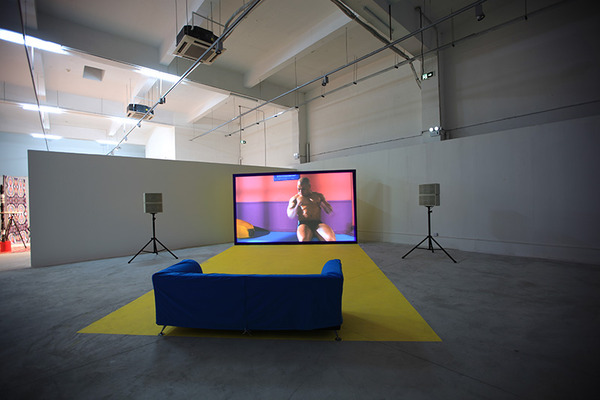
小运动:当代艺术中的自我实践(深圳OCT当代艺术中心,2011.09.10至2011.11.10)
孙冬冬

虽然展览 的绝大部分工作仍是围绕着中国的当代艺术展开的,但刘鼎、卢迎华、苏伟三位年轻策展人并没有让展览落入某种常见的对中国所谓的特殊性表征的叙述中,而是将 其纳入到全球化艺术的视野中加以研究。当然,也应看到中国的当代艺术系统内部在近几年的变化为三位策展人的研究提供了一种新的可能性。展览并没有过多的向 观众展示具体的作品,而是以文献形式去呈现当代艺术系统中个体化的、小组式或集体性的实践,但展览所关涉的“自我”与“主体性”则又呈现出具体的与多样性 的面貌,这与三位策展人从2010年开始有针对性的密集采访与对话分不开的。或许,他们在样本的选择上会引发商榷,但他们对当代艺术系统内部存在的自觉性 因素的关注,至少丰富了对中国当代艺术实践的视点,使得我们对他们的研究予以期待。

对于《王广义的“小运动”?——谈“珠海会议”的起源与性质》的回应

$
0
0

《艺术界LEAP2011年十二月号刊登了来自高名潞现当代艺术研究中心的批评家王志亮撰写的文章《王广义的“小运动”?——谈“珠海会议”的起源与性质》,质疑我们采用了不当的“历史研究方法”进行个案研究,忽略了“珠海会议”的权力结构和艺术话语博弈。对于这样的论调,我们难以认同。“小运动”不是一次历史性的回顾,而是我们根据自身的实践体验和未来想象对于历史中和当下正在发生的实践进行的一次再度观看和编织。“小运动”本身就是一种激进的创作,它不关心主体叙述可能产生的历史偏差(任何一种叙述都会产生偏差,但这并非说我们在“篡改”和模糊“历史”),它的理论视野可能是摇摆不定和有待挖掘的,但是它向往“主体性”的巨大潜力,向沉浸在利益争夺、政治博弈和理论规范中的当代艺术氛围中的实践者发出召唤。“小运动”绝非相对主义的无力表白,它在慢影响中塑造精神力量,如果说它有姿态,那也是对于艺术系统中每个实践者的尊重和等待。


实际上,作者的论述充满了权力历史观的意味。他看重艺术家个体和艺术事件的历史地位分配,念念不忘地强调诸如“理性话语的提出者是谁”等等所谓“客观史实”,试图让“珠海会议”成为后来的实践者不可触碰和分解的艺术史丰碑。在这种看似客观、实则丧失反思能力的视角下,作者把“小运动”提出的激进视野降格为态度,错误地评断我们把“历史”视作一个平面(我们诉求的是艺术系统的平面性),“小运动”最终被定性为一个“没有边界而无效的宏大概念”。这种权力历史观的视野稀释了艺术本身和实践者的具体思考,这种面对历史的方式也是缺乏内在性和工作质感的。我们把王广义作为个案切入“珠海会议”发生的语境,目的就是在被权力历史观把持的普遍性判断中挖掘个体精神。如果有历史,历史也属于创造者和具有开放精神的实践者;如果失去了自我教育,当代艺术也就变成了意识形态的工具。


刘鼎、卢迎华、苏伟

蔡影茜写的“刘鼎:观念的胶囊”

$
0
0


刘鼎:观念的胶囊

:蔡影茜


“关注观念艺术的艺术家都应该让作品对观众产生智性趣味,因此,他通常会希望这件作品情感干涸。”

索尔·勒维特《观念艺术的段落》(1967)


“在生活中总是有着许多的期许,除了血肉,幻想和期许几乎成为支撑生命的全部……

而伴随“期许”的总是它最亲密的朋友:“不满”、“焦虑”、“恐惧”、“幻想”、一些“希望”和“绝望”。

在“期许”、“不满”、“焦虑”、“恐惧”、“幻想”、“希望”和“绝望”中,我们将如何度过?

……

让情绪充分的发酵。

总有一个时刻,结果会到来。”


刘鼎《我和美术馆——礼物》(2011)


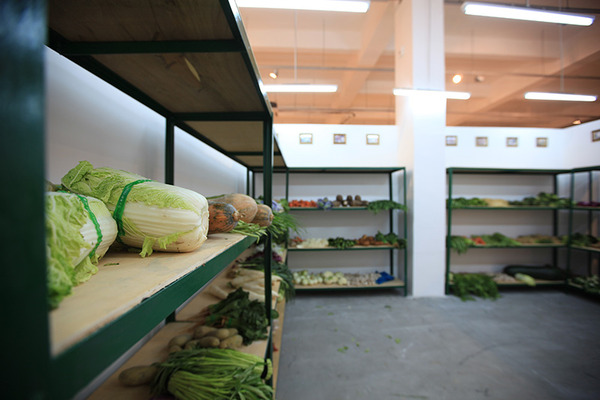
2011年的11月,我在毫无准备的情况下应邀参加了刘鼎的生日晚宴,看到了我和他年初时在北京麦勒画廊对谈的照片和文本摘要,确切来说,是他一件作品的局部——属于《刘鼎的商店》的“对谈”部分。在饭桌上,我小心翼翼地从硬纸板中抽出文本和照片,除了摘要上的片言只语,我已经很难确切记起自己在那次谈话中说了什么,根据作品的规则,谈话的内容应该属于某位已经或将要买下录音的藏家。这次谈话完全是私密的,然而因为我无法赎回它的内容,它的私密性又与我——内容的制造者——发生了分离。从刘鼎一系列“对谈”的对象选择上来看,这些“谈话”还是某种“信任”和“友谊”的表示,它不仅是一件赠与的礼物,放在更长的时间看来,甚至铭刻了某个属于我个人的一个完全理想主义的阶段。因此,我很难将它看成是一件作品,除了别的什么中性空间之外,将它陈列在某个人的个人生活中是难以想象的。正如罗兰·巴特所说,照片所框定的“时—空”(内容)已经死亡,我唯一可以通过回忆留住的是它曾经存在的语境。通过令“谈话”成为“作品”,我被“剥夺”了对内容的所有权,通过重新见证这件“作品”,我又成了一个被污染的观者,这一切都产生了一种仿佛要用彻底的理性去保留的情感强度。


“强度”是一个刘鼎在创作和思考中经常使用的词汇,它强调的是一种行业的相关性和智性上的高密度,这种以思辨性和获得思想共鸣为乐趣的创作方式的代价,正是索尔·勒维特的著名论断中所说的某种“情感干涸”。如果以20084月有关“创作抄袭”的互联网攻击作为刘鼎创作的某种分期的话,这种形式和情感上的“极端冷静”在他2008年后的作品中表现尤为明显。在2011年的新作《我和美术馆》中,刘鼎放进了两件“礼物”,这两件礼物都曾经在现实生活中被送出过:其中一件是香港艺术博览会期间张巍、胡昉婚礼上刘鼎以信件形式送出的贺礼,另一件是刘鼎重新剪辑并送给一位藏家的“梦露给肯尼迪献唱生日歌”的黑白影像。在诸如“结婚”和“生日”这样一些最具普世价值的人生节庆当中,这些礼物所传达的的情感连结是完全可以被理解的,但刘鼎用“当代艺术及其行业规则”对这些欢庆礼仪进行了重新编码。信件和生日歌从私人授受的领域溢出,进入公共领域,成为某种具备交换价值的情感通货,但是我们并不能完全否认礼物还是礼物的那一刻,这些物品身上凝结的刘鼎的个人感受和情绪。


评论家、策展人Jörg Heiser在他的一篇谈论浪漫的观念主义(romantic Conceptualism)的文章[i]当中提到观念主义[ii]的“索引化(indexicalization)”,简言之,就是观念主义艺术家在创作中摒弃再现,以尽量精简而又尽可能丰富的元素去达到效果。在语用学中,“索引化”最明显的特征是其对语境的敏感和依赖(context dependant and sensitive),有时甚至到了自我中心主义的地步,也就是说聆听者(观看者)要知悉特定的说话者和言说(utterance)的时间和地点,才能理解和诠释言说的内容。在刘鼎的作品中,言说有时是完全无人称和客观的,比如“假设这是一个讨论的开始” 和“忽略是编撰历史的开始”(《我们常常为制造出来的命题投入感情》《忽略》2009);有时是一种亦真亦假的热情,“1987年我见到了这幅马蒂斯作品的黑白印刷品,随意、幻想、平静、奔放把我迷住了……”(《和马蒂斯的两次相遇》2009);有时候坦然触及“我”的个体遭遇(《献给情绪性舆论制造者的墓碑》2008);有时候私人的美学体验被掏空、转化为纯粹的观念(《经验与意识》2008)。而在刘鼎送给藏家的这件“礼物”当中,梦露传奇而又悲剧的一生充盈着各种欲望和情感,她的靡靡之音,又为肯尼迪显赫而短暂的政治生涯留下了伏线,两人同时作为欲望和权力的对象和牺牲品,为这件背景纯粹的私人礼物留下了大量杂音,再配合刘鼎的文字和美术馆的语境,形成了一个“连环套”[iii]


关注刘鼎创作历程的人都会注意到他早期创作中的某种艳俗美学(kitsch)的倾向,这和他在2008年之后形式感上的极简主义和非物质化形成了一种锐利的对比,似乎一夜之间,曾经略带天真、理想主义和不吝试错的刘鼎就长大了,变得缜密、冷静、旁观而自信。同样是雇佣大芬村工人产出的成品,创作于20052006年的《转型期的标本——产品》中画作,画面就显然要比《刘鼎的商店——带回家实现心中的无价》中的画面要更加现实主义——我的意思是,更忠实地再现了行画生产和市场的口味,而不是演化出一种精湛的个人美学。除了形式感上的变化,更重要的是此时的刘鼎已经不再只是做出作品,他还做出了作品诠释的语境,他将作品和叙述编制成一套严密的索引系统,仿佛一个首尾相接的圆环。不过,也许我们都被那些亮闪闪的物质和互联网上的风言风语蛊惑了,2009年在意大利Primo Marella画廊举办的个展中,刘鼎在一张白色桌子上展出了自己在1994年到2000年间创作的21张小水彩画,题为《花园里的草稿》。画面清新朴素,易于亲近,像极了一位曾经对心手眼的艺术充满了热情和信仰的年轻画家。


不过,职业化是刘鼎这一阶段的艺术家无法避免的命题和选择,他将早年对艺术的朴素热爱,转化为了一种更加复杂而理性的,对体制(apparatus)的全面介入和批判。在《刘鼎的商店》中,这种批判主要通过让自己成为发动者,建立起一系列和其他创作者、参与者、观众、收藏家和展示机构之间的契约而实现的。但是。在这些理性互利的契约准则之下,对真诚而深入的交流认同的向往也许才是解开刘鼎的密闭之环的入口。斯宾诺莎和德勒兹都曾经提到过强调人与物、物与物之间关系强度的“情状(affect)”一词,它是人的身心与情绪感觉强烈相联的某种状态,往往表现为欲望、快乐和悲伤。如果说刘鼎为自己的作品创造了一种价值、观念和实物的硬流通,那么某些包含情绪和回忆的旧作,曾经的相识或同好,稍纵即逝的美景人事都被刘鼎用理性的外衣封存起来,他为我们呈现的是一枚枚严肃、精致、包装完好的观念胶囊,如果和着高级矿泉水和红酒一并吞下,我们将永远尝不到里面轻微苦涩的情感和岁月之痕。


[i] Jörg Heiser,“MoscowRomanticConceptualism and After”, e-flux journal #29-november 2011

[ii] Ibid 同上,援引Luis Camnitzer1999年的《全球观念主义》展览提出的有关“观念主义”和“观念艺术”的区分:“观念艺术保留欧洲和北美的一些艺术家对于这种实践方式的一种纯粹主义者式的理解;观念主义则可用以命名全世界范围内各个领域的一系列活动,这些活动共享一种抽象还原主义的态度,将艺术制作从再现和物质呈现中解放出来,成为一种沟通方式”。

[iii] 朱朱《多重的端倪——刘鼎的“在小花园和小自由市场之间”》,收录于《刘鼎的思考:在小花园与小自由市场之间》,意大利米兰Primo Marella画廊出版。


本文出版于2012年leap杂志

YISHU 杂志对小运动和一个非美术馆的介绍

$
0
0

Yishu Journal: Little Movements: Self-practice in Contemporary Art and A Museum That is Not


Little Movements: Self Practice in Contemporary Art
OCT Contemporary Art Terminal (OCAT), Shenzhen

September 10–November 10, 2011

A Museum That Is Not
Guangdong Times Museum, Guangzhou

September 11–October 30, 2011

Liu Ding and Carol Yinghua Lu on the cover of Yishu Journal No.49

“Edward Sanderson explores the increasingly blurred boundaries among curatorial practice, artistic practice, and institutions through the examples of two innovative exhibitions—Little Movements: Self-practice in Contemporary Art and A Museum That Is Not.”

Giorgio Agamben addresses the concept of movement as “that which if it is, is as if it wasn’t, it lacks itself; and if it isn’t, is as if it was, it exceeds itself.” This ambivalence between lack and plenitude marks the movement as “unfinished, unaccomplished,” suggesting that it occupies a point between the pre-political and the political, and a point without movement in an active sense, and, therefore, without a future or past of failure or resolution. This balancing point, by necessity, also makes “movement” hard to locate or define; hence its sense of being ripe for questioning when applied to the world.

Since 2010, Carol Yinghua Lu, Liu Ding and Su Wei—self-described as “a three-person curatorial team include[ing] an artist, a curator and a critic”—have been developing together what they call the Little Movements project. The recent presentation of this project at OCT Contemporary Art Terminal (OCAT) in Shenzhen, titled Little Movements: Self-practice in Contemporary Art, has provided an opportunity to see the current state of this project in the form of an exhibition.

By a happy quirk of fate, at the same time as this show, Liu Ding was fulfilling his role as an artist by presenting work in the group show A Museum That Is Not, curated by Nikita Yingqian Cai, at the Times Museum in nearby Guangzhou. A Museum That Is Not investigated the parameters of the museum as an institutional experience, with a particular focus on the host museum’s own position with the community around it, and conveniently showcased Liu Ding’s creative approaches to what can be seen as parallel concerns to the content and methods of Little Movements: Self-practice in Contemporary Art.

[To read the full article, please pick up a copy of the magazine or visit the Yishu website]

e-flux一发布第七届深圳雕塑双年展的消息

$
0
0
March 24, 2012
ef_logo_big.gif
ef_dashed_line.gif

Shenzhen Sculpture Biennale


mar24_octcontemporary.jpg

Qian Weikang, "Ventilating the Site," Installation, 1995. 
ef_dashed_line
Share thisShare this on FacebookShare this on Twitter

The 7th Shenzhen Sculpture Biennale 
Curators and theme of the 7th Shenzhen Sculpture Biennale is announced  

www.ocat.com.cn


The 7th Shenzhen Sculpture Biennale will take place from May 12 to August 31, 2012 at OCT Contemporary Art Terminal (OCAT) in Shenzhen, China. The Shenzhen Sculpture Biennale (formerly known as Shenzhen International Contemporary Sculpture Exhibition) has been supported by Shenzhen Overseas Chinese Town Corporation Ltd. since its first edition in 1998. Previously, the main organizer of the Biennale was He Xiangning Art Museum. This year, the exhibition will be organized by OCT Contemporary Art Terminal and is officially named Shenzhen Sculpture Biennale.

OCAT is pleased announce the appointment of Liu Ding, Carol Yinghua Lu, and Su Wei as the curators of the Biennale. The curators have chosen "Accidental Message: Art is Not A System, Not A World" as the exhibition title, in an attempt to acknowledge the incidental, the unclassifiable, the organic, the inexplicable and the individual nature of art making, and that of the imaginary of our world, and to reiterate the possibility of the individual and independent spirit to overcome the systematic forces and the existing structures.

"Accidental Message: Art Is Not A System, Not A World" is conceived to include two subthemes: "Unexpected Encounters" and "What You See is What I See". As the starting point for their research, "Unexpected Encounters" is focused on experimental art practice in China since 1989 to 2000. It is an observation of a local history, trying to look back on individual practices and art itself during this period of time. "What You See is What I See" presents current practices from all over the world in recent years. This component of the exhibition attempts to envision a kind of connectivity that consists of individual spirits, manifested through individual artists' creations, transcending regions, systems, mechanisms, norms and art historical narratives. "What You See is What I See" proposes not the magnification of the effectiveness of any existing system, universal order or experience of others but an emphasis on the serendipitous, organic, stochastic, internal, perceptive and instinctual growth and reproduction of art within itself.

"Accidental Message: Art is not a System, not a World" uses a scattered perspectival method to engage in the observation of the self and the world we live in, incorporating the limitations of direct observation, experience and fields of vision. Nearly twenty years since the establishment of the Shenzhen Sculpture Biennial, the curators are committed to carrying on in its original intent: to focus on artistic experimentation and to boldly expand the exploration of sculpture into an exploration of various artistic forms including sculpture as well as creation itself. 


About the Curators 

LIU DING
Liu Ding was born in 1976 in Changzhou, Jiangsu Province. He is an artist and a curator based in Beijing. Curatorial work is integral to his artistic practice. His conceptual art project Liu Ding's Store, begun in 2008, is a continuing project that discusses and presents the various visible and invisible mechanisms in the art system for the formation of value. Liu has shown his works in art institutions including the Turner Museum and the Arnolfini Gallery in the UK, the Kunsthalle Wien in Austria, the Astrup Fearnley Modern Art Museum in Norway, the Sao Paolo National Museum of Art in Brazil, the Center for Art and Media Karlsruhe, Germany, the RasquArt Center in Switzerland, Fondazione Sandretto Re Rebaudengo in Italy, the Seoul Municipal Museum of Art in Korea, among others. He was chosen in 2009 as a representative of China at the 53rd Venice Biennale. Little Movements: Self-Practices in Contemporary Art, the project he and Carol Yinghua Lu initiated and curated together, was exhibited at the OCT Contemporary Art Terminal in Shenzhen in September 2011, and will go on an international tour from 2012.

CAROL YINGHUA LU
Carol Yinghua Lu was born in Chaozhou, Guangdong Province in 1977. She is a critic and curator based in Beijing. She is currently a contributing editor at Frieze Magazine, and sits on the editorial board for the Arnolfini Art Center's Far West magazine. She was a jury member for the 2011 Venice Biennale's Golden Lion Award, and is one of the co-artistic directors for the 2012 Gwangju Biennial.

SU WEI
Su Wei was born in Beijing in 1982, and is a Beijing-based critic, curator and China Academy of Social Sciences Foreign Literature Institute doctoral candidate. He was the assistant curator of Little Movements: Self-Practices in Contemporary Art at the OCT Contemporary Art Terminal. The focus of his work is theoretical practice and writing on contemporary art.


About OCT Contemporary Art Terminal
Founded in 2005, OCT Contemporary Art Terminal (OCAT) is located in the creative cultural space of Overseas China Towns in Shenzhen. It is one of China's leading contemporary art spaces known for its in-depth survey shows on individual artists, research-driven curatorial practice, annual summer theatre and dance workshops, screening and lecture series, as well as its international artist and curator residency programme.

ef_dashed_line
ef_bw_block
ef_logo_small.gif
311 East Broadway
New York, NY 10002, USA
Contact
Unsubscribe
Follow usFollow us on FacebookFollow us on Twitter
第七届深圳雕塑双年展在e-flux

2012第七届深圳雕塑双年展策展人和主题公布

$
0
0
title=

由深圳市华侨城当代艺术馆(原为何香凝美术馆OCT 当代艺术中心)主办的第七届深圳雕塑双年展将于2012年5月12日—8月31日在深圳南山区华侨城恩平街华侨城创意文化园展出。深圳市华侨城当代艺术馆荣幸地邀请刘鼎、卢迎华与苏伟担任本届双年展的策展人。

在华侨城集团公司的大力支持下,何香凝美术馆主办的深圳国际当代雕塑艺术展从1998年以来已连续举办六届。今年该展览将交由深圳华侨城当代艺术馆(筹)组织承办,并正式更名为深圳雕塑双年展。

由刘鼎、卢迎华和苏伟三人组成的策展团队提出“偶然的信息:艺术不是一个系统,不是一个世界”作为第七届深圳雕塑双年展的题目,这是一个希望重提个 体秩序的展览。它将由两部分构成,分别为“不期而遇的遭遇”和“你看到的就是我看到的”。作为整个研究的出发点, “不期而遇的遭遇”是对于本土历史的观 看,以上个世纪90 年代中国的实验性创作为研究对象,试图回到艺术家个体的创作和艺术本身来展开叙述。“你看到的就是我看到的”是近几年来他们在全球范 围内目光所及的发现。这一部分试图分享一种由个体的精神,也就是艺术家的创作所建构的一种超越任何区域、系统、机制、规则和艺术史叙述而存在的一种关联 性,提出不放大任何现有系统、普遍秩序和他者经验的有效性,而是强调偶然性、有机性、随机性、内在性、感性、以及艺术内部自我生长和繁衍的本能。我们相信 他们的策展理念将带给我们对于艺术认识的新启示。

- 亞洲藝術文獻庫講座- 回到個體經驗:當代藝術研究與策展的一些想法

$
0
0

- 亞洲藝術文獻庫講座-
 
回到個體經驗:當代藝術研究與策展的一些想法
講者:劉鼎、盧迎華
2012年5月3日,星期四,下午6時30分至8時30分
亞洲藝術文獻庫 A Space

劉鼎及盧迎華將於是次講座中討論一種從創作者和實踐者的角度出發的策展和評論實踐,提出用一種創作者和平視的角度來觀看和認識創作中的肌理。

通過他們共同策劃的兩個展覽實踐《小運動——當代藝術中的自我實踐》及於5月12日開幕的第七屆深圳雕塑雙年 展《偶然的資訊:藝術不是一個體系,也不是一個世界》,兩位策展人希望重新來審視創作和理論之間的關係。當藝評人從藝術家的創作中提出或總結出某種理論 時,這時的理論往往在論調上偏向哲學思辨,而這種理論化的結果與藝術家實際的創作較無直接的關聯。這種理論已經脫離藝術創作本身的範疇,而進入思想史或文 化史的領 域之中;雖然這些理論會重新回饋到創作當中,卻只能成為影響創作的諸多外因之一而已。他們的研究提出回到創作和實踐的角度再次觀看理論和實踐之間的相互關 聯,同時也希望發掘創作在被理論化之前所能給予我們的新啟示。

關於講者:
劉鼎
藝術家和策展人,1976年出生於江蘇常州,現居北京。劉氏於2008年開始的觀念藝術項目《劉鼎的商店》是一個持續進行的計畫,討論和呈現藝術系統中各 種可視和不可見的價值形成機制。2009年,劉氏代表中國參加第53屆威尼斯雙年展。劉氏與盧迎華共同發起策劃的《小運動:當代藝術中的自我實踐》於 2011年9月在深圳OCT當代藝術中心展出,並將於明年開始巡迴展出。劉鼎也是第七屆深圳雙年展的策展人之一。劉氏的作品曾於英國泰特美術館、英國布里 斯托Arnolfini藝術中心、奧地利維也納Kunsthalle Wien、挪威奧斯陸Astrup Fearnley現代美術館、巴西聖保羅國家美術館、德國卡爾斯魯厄ZKM媒體與藝術中心、瑞士比爾RasquArt藝術中心、意大利都靈 Sandretto Re Rebaudengo基金會、韓國首爾市立美術館、美國三藩市Luggage Store藝術中心、中國北京伊比利亞藝術中心、上海當代美術館和廣東美術館等地方展出。
 
盧迎華
藝評人及和策展人,1977年出生於廣東潮州,現居北京。盧氏畢業於瑞典隆倫大學馬爾摩藝術學院的評論研究課程(2004至2005年),曾擔任亞洲藝術 文獻庫中國研究員(2005至2007)。現為倫敦《frieze》藝術雜誌的特邀編輯。盧氏是英國布里斯托Arnolfini藝術中心《遠西》雜誌的編 委之一,同時為多家國際藝術雜誌、畫冊和出版物撰寫關於當代藝術研究的文章。盧氏亦曾擔任2011年威尼斯雙年展金獅獎的評委之一,及2012年光州雙年 展的策展人之一。盧氏與劉鼎共同發起策劃的《小運動:當代藝術中的自我實踐》於2011年9月在深圳OCT當代藝術中心展出,並將於明年開始巡迴展出。盧 迎華也是第七屆深圳雙年展的策展人之一。

活動詳情
主辦:亞洲藝術文獻庫
日期:2012年5月3日(星期四) 
時間:下午6時30分至8時30分
地點:上環荷李活道233號荷李活商業中心1001室A Space
語言:普通話及英語(普通話內容將設英語傳譯)
留座:請電郵至 register@aaa.org.hk 或致電+852 2815 1112
本講座的DVD錄影可於講座後在亞洲藝術文獻庫內觀賞。

- AAA Talk -
Back to the Individual Experience:

Some Thoughts on Research and Curatorial Practice in Contemporary Art
Talk by Liu Ding and Carol Yinghua Lu
Thursday 3 May 2012 6.30-8.30pm
A Space, Asia Art Archive

In this talk, Liu Ding and Carol Yinghua Lu will explore the notion of curating and art criticism as an artistic practice. Citing the two exhibitions that the pair have been working on, ‘Little Movements: Self-practice in Contemporary Art’ and ‘Accidental Message: Art is Not a System, Not a World’, the 7th Shenzhen Sculpture Biennale that opens on 12 May, they propose a model for curatorial and art criticism practice from the perspective of creative subjects and individual practitioners. Reflecting on a tendency of curatorial practice and art theory writing to occupy a higher position in the hierarchy of the art system, Liu and Yinghua will analyse the reciprocal relationship and mutual dependency between artistic practice and art theory and curatorial practice, both being crucial to the initiation of the other. They will also draw attention to the importance of re-discovering practice before it is summarised as part of a certain ‘movement’ or becomes theoreticised.

About the speakers

Liu Ding was born in 1976 in Changzhou, Jiangsu Province. He is an artist and curator based in Beijing. Liu’s conceptual art project 'Liu Ding’s Store', begun in 2008, is a continuing project that discusses and presents the various visible and invisible mechanisms in the art system for the formation of value. Liu was chosen in 2009 as a representative of China at the 53rd Venice Biennale. 'Little Movements: Self-Practices in Contemporary Art', the project he and Carol Yinghua Lu initiated and curated together, was exhibited at the OCT Contemporary Art Terminal in Shenzhen in September 2011, and will go on an international tour from 2012. Liu is also the co-curator of the 7th Shenzhen Sculpture Biennale, 2012. His works have been exhibited in numerous art institutions including the Turner Museum and the Arnolfini Gallery in the UK, the Kunsthalle Wien in Austria, the Astrup Fearnley Modern Art Museum in Norway, the São Paolo National Museum of Art in Brazil, the Center for Art and Media Karlsruhe, Germany, the RasquArt Center in Switzerland, Fondazione Sandretto Re Rebaudengo in Italy, the Seoul Municipal Museum of Art in Korea, the Luggage Store Gallery in San Francisco, the Iberia Center for Contemporary Art in Beijing, the Shanghai Contemporary Museum of Art, and the Guangdong Museum of Art in Guangzhou, China.
 
Carol Yinghua Lu was born in Chaozhou, Guangdong Province in 1977. She is a critic and curator based in Beijing. Yinghua graduated from the critical studies programme of Malmö Art Academy at Sweden’s Lund University in 2005 and served as a China Researcher for Asia Art Archive from 2005 to 2007. She is currently a contributing editor at Frieze, a London-based art magazine, and sits on the editorial board for the Arnolfini Art Center’s Far West magazine. She also writes essays on contemporary art research for many international art magazines, catalogues, and publications. She was a jury member for the 2011 Venice Biennale’s Golden Lion Award, and is one of the co-artistic directors for the 2012 Gwangju Biennial. Little Movements: Self-Practices in Contemporary Art, the project she and Liu Ding initiated and curated together, was exhibited at the OCT Contemporary Art Terminal in Shenzhen in September 2011, and will go on an international tour from 2012. Lu is the co-curator of the 7th Shenzhen Sculpture Biennale.

Event Details
Presented by:
Asia Art Archive
Date: Thursday 3 May 2012
Time: 6.30-8.30pm
Venue: A Space, 1001, 10/F, 233 Hollywood Road, Sheung Wan, Hong Kong
Language: English and Mandarin (Mandarin with English interpretation) 
Registration: register@aaa.org.hk or +852 2815 1112 
DVD documentation of the talk will be available for viewing at the Archive.


7th Shenzhen Sculpture Biennale: Artists & Programmes

$
0
0

OCT Contemporary Art Terminal of the He Xianning Art Museum


7th Shenzhen Sculpture Biennale: Artists & Programmes

Qian Weikang, Ventilating the Site, 1995. Installation. Image courtesy Shanghai Art Archive.

7th Shenzhen Sculpture Biennale: Artists & Programmes

12 May–31 August 2012

Hours: Tuesday–Sunday, 10–5:30pm
Admission free

OCT Contemporary Art Terminal (OCAT)
OCAT Hall A/B & B10
OCT-LOFT, Enping Road
Overseas Chinese Town
Shenzhen, China

T 86 755 26915102

www.ocat.com.cn

Exhibition, performances, artists’ talks, screenings

Exhibition
Curated by Liu Ding, Carol Yinghua Lu, and Su Wei, the 7th Shenzhen Sculpture Biennale is a research-based exhibition consisting of various components: Unexpected Encounters, an examination of individual practices in China from 1989 to 2000; What You See is What I See, a grouping of recent works made by Chinese artists and artists from all over the world; and Public Projects, four special commissions for public venues. In the exhibition, artworks made from 1989 to 2000 in China in Unexpected Encountersand recent works by Chinese and international artists in What You See is What I See will intermingle with each other in the exhibition, rather than being presented in two sections. The exhibition opens on 12 May 2012.

Participating artists and documentations
Chinese Contemporary Artists’ Agenda (1994, a publication of artists’ proposals edited by Wang Luyan, Wang Youshen, Chen Shaoping, and Wang Jianwei) and 45 Degree as a Reason and Agreed to the Date 26 November 1994 as a Reason (1995, 1994, two postcard-based exhibitions curated by Geng Jianyi), Black Cover Book, White Cover Book, Grey Cover Book (1994–1997, a publication initiated and edited by Ai Weiwei, Xu Bing, and Zeng Xiaojun), Chen Shaoxiong (b. 1962, Shantou/China), Chen Zhou (b. 1987, Zhejiang/China), Josef Dabernig (b. 1956, Austria), Ding Yi (b. 1962, Shanghai/China), Fang Lu (b. 1981, Guangzhou/China), Laura Oldfield Ford (b. 1973, Halifax/UK), Simon Fujiwara (b. 1982, London/UK), Gu Dexin (b. 1962, Beijing/China), Guan Xiao (b. 1983, Chongqing/China), Hao Jingban (b. 1985, Shanxi/China), Hu Yun (b. 1986, Shanghai/China), Huang Ran (b. 1982, Xichang/China), Huang Yongping (b. 1954, Xiamen/China), Lee Mingwei (b. 1964, Taiwan/China), Li Yongbin (b. 1963, Beijing/China), Li Fuchun (b. 1983, Jilin/China), Li Ran (b. 1986, Hubei/China), Li Yu (b. 1973, Wuhan/China) + Liu Bo (b. 1977, Shishou/China), Lin Yilin (b. 1964, Guangzhou/China), Liu Shiyuan (b. 1985, Beijing/China), Lu Zhengyuan (b. 1982, Liaoning/China), Darius Mikšys (b. 1969, Kaunas/Lithuania), Haroon Mirza (b. 1977, London/UK), Nástio Mosquito (b. 1981, Angola), Qian Weikang (b. 1963, Shanghai/China), Kelly Schacht (b. 1983, Belgium), Shi Chong (b. 1963, Huangshi/China), Song Dong (b. 1966, Beijing/China), Sui Jianguo (b. 1956, Qingdao/China), Tsang Kinwah (b. 1976, Shantou/China), Katleen Vermeir (b. 1973, Belgium) & Ronny Heiremans (b. 1962, Belgium), Danh Vo (b. 1975, Vietnam), Wang Gongxin (b. 1960, Beijing/China), Wang Guangyi (b. 1957, Harbin/China), Wang Jianwei (b. 1958, Sichuan/China), Wang Luyan (b. 1956, Beijing/China), Wang Xingwei (b. 1969, Shenyang/China), Wang Youshen (b. 1964, Beijing/China), Wild (1997, a publication of site-specific projects curated by Song Dong, Guo Shirui, and Pang Lei), Wu Wenguang (b. 1956, Kunming/China), Xu Bing (b. 1955, Chongqing/China), Yan Xing (b. 1986, Chongqing/China), Yu Honglei (b. 1984, Inner Mongolia/China), Zhang Enli (b. 1965, Jilin/China), Zhang Peili (b. 1957, Hangzhou/China), Zhang Xiaogang (b. 1958, Kunming/China), Zhou Tiehai (b. 1966, Shanghai/China), Zhu Jia (b. 1963, Beijing/China)


Performances
Yan Xing
12 May, 4:30pm
OCAT Hall B10, OCT-LOFT, Enping Road, Overseas Chinese Town, Shenzhen, China

Nástio Mosquito
12 May, 5:30 pm
OCAT Hall A3+, OCT-LOFT, Enping Road, Overseas Chinese Town, Shenzhen, China


Artists’ Talks – 
What You See is What I See

Lee Mingwei
Thursday 10 May, 7:30pm
Moderator: Liu Ding
Language: Chinese
OCAT Hall A3+

Dahn Vo
Friday 11 May, 7:30pm
Moderator: Su Wei
Language: English, with Chinese translation
OCAT Hall A3+

Josef Dabernig
Sunday 13 May, 2:30pm
Moderator: Liu Ding
Language: English, with Chinese translation
OCAT Hall A3+

Artists’ Talks – Individual Narratives: Contemporary Art Practice in China from 1989 to 2000

Ding Yi
Friday 22 June, 2:30pm
Moderator: Liu Ding
Language: Chinese
OCAT Hall A3+

Wang Gongxin
Saturday 23 June, 2:30pm
Moderator: Liu Ding
Language: Chinese
OCAT Hall A3+

Sui Jianguo
Sunday 24 June, 2:30pm
Moderator: Liu Ding
Language: Chinese
OCAT Hall A3

Wang Luyan
Saturday 21 July, 2:30pm
Moderator: Fang Lihua
Language: Chinese
OCAT Hall A3+

Song Dong
Sunday 22 July, 2:30pm
Moderator: Fang Lihua
Language: Chinese
OCAT Hall A3+

Zhang Peili
Saturday 18 August, 2:30pm
Moderator: Su Wei
Language: Chinese
OCT ART, Shennan Blvd. 9009# Nanshan District, Shenzhen, China

Chen Shaoxiong
Sunday 19 August, 2:30pm
Moderator: Su Wei
Language: Chinese
OCAT Hall A3+


Screenings

Josef Dabernig
Saturday and Sunday, 19 and 20 May, 2:30pm
OCT ART, Shennan Blvd. 9009#, Nanshan District, Shenzhen, China
Saturday and Sunday, 26 and 27 May, 2:30pm
OCAT Hall A3+

Free admission for all events.


第七届深圳雕塑双年展:互通的艺术心境

$
0
0
图片来源:OCAT / 摄影师:蒋涛
约瑟夫·达贝尼克(Josef Dabernig)在深圳华侨城创意园区内创作的《架空隧道和行人通道之间的关系研究》
作者: 严潇潇
日期: 2012年5月26日
三位策展人在现场导览,图中作品为王友身《报纸·室内装修》(1993),图片来源:OCAT / 摄影师:蒋涛

中 国当代艺术展览史发展至今,无论是对某一时期的断代回顾、还是对当前年轻创作的群体式呈现,都已司空见惯、甚至成为某种吃力不讨好的模式,隐于莫须有的光 环之下。从表面上看,本届深圳雕塑双年展似乎也不例外,展览的两个主要部分“不期而遇的遭遇”与“你看到的就是我看到的”,分别以1990年代中国的实验 性创作以及当下正活跃于当代艺术前沿的国内外创作为主体;然而在这一笼统的概括之下,蕴含着更为贴近个体的视角与稳健中不乏胆识的策展创新。

在提前了知部分展品形式的情况下,除了对本届深圳雕塑双年展的新思路印象深刻——以各种媒材创作的作品的共同呈现来拓展了“雕塑”的概念,若干“非艺术作品”的呈现容易让人将之简单理解为一个夹杂着文献展示的大型群展。

殊不知,无论是王鲁炎、王友身、陈少平和汪建伟在1994年编辑出版的艺术家工作方案集《(1994)中国当代艺术家工作计划》,还是由艾未未、徐 冰、曾小俊在1994至1997年间发起和主编的出版物系列《黑皮书》、《白皮书》、《灰皮书》,无论是记录了宋冬与郭世锐1997年所策划的一系列“非 展览空间、非展览形式”的艺术活动的文献《野生》,还是王鲁炎展示《行走者》创作过程的一组同名纸上绘画、以及张晓刚1990年写给毛旭辉的一封信,如是 种种,都高亮地昭显了本次策展人“平行地”观看艺术家创作及实践的意图。展览开幕前与三位策展人刘鼎、卢迎华和苏伟的访谈, 让我们更多地了解到,这种“平行视角”无意让对文献的观看停留在文献层面,而是将之与艺术家艺术作品并置,一同视为艺术家实践历程的代表性断面,成为具体 考量作为个体的艺术家的一个入口。张晓刚信中的一句“任何一种形式语言的诞生,都是与作者的处境、命运、素质和对世界的感知分不开的”,也恰如其分地映衬 了这种策展角度的合理性。

重提个体秩序,某种意义上也是对僵化的既有话语系统的拒绝,和对时常被忽略的偶发因素的强调。在面对1990年代的中国当代艺术与近年来的国内外创 作时,策展人为本次双年展选择了无有区分的空间布局,似乎有意让人在下意识地为布展思路作出解读时无从下手,而将观者的注意力引导在作品本身、以及出自展 览出版物的大段文字上。这些文字将出版物中对每位艺术家及择取的作品或实践本身的分别描述延伸至展览现场,在观看的同时阅读,无形中极大增加了现场的信息 量,同时也对观众的观看行为本身(包括观看时间在内)提出了一定要求。这直接关系到观者是否能在为黄永砯那成为“历史遗留问题”的《蝙蝠计划》所安排的文 献式小隔间与户外草坪上的飞机尾部展示寻找到合适的下手处来体验,关系到是否能理解为何择取的是吴文光作品集中那部看似不起眼的随记式短片《日 记:1998年11月21日,雪》,也关系到藤原赛门(Simon Fujiwara)的录像装置《镜像舞台》能在多大程度上撩动观看过程中的直接认知。因为这些作品的被选择、乃至作品本身,都与艺术家在创作时所处的世界 有关,对这些世界的认知需要有沉静下来、而非走马观花的心境。

开幕当日的两出艺术家现场表演,也都紧贴这种回到艺术家本身的渴求。鄢醒在《接受史》中煞有介事地针对一位莫须有的艺术家、在真假难辨的文本互涉中 介绍其艺术生涯;而年轻的安哥拉艺术家纳斯提奥·莫斯奎多(Nástio Mosquito)同时也以诗人、音乐人、脱口秀表演者等多重身份创作,他在现场再次表演讲述一个非洲人故事的旧作《非洲人?我想是吧》,背景中的幻灯片 循环着带有非洲符号乃至些许中国痕迹,在深圳这个特定现场的即兴成分同样让人看到艺术在持续蔓生的活生生的枝节。艺术家本身,也无疑是观看艺术时的重要观 看对象。

令人玩味的,同样还有艺术家们来到这个双年展现场后产生的新的互动、寻找到的新共鸣。这些碰撞也发生在艺术家与他人的作品或实践之间,同样是偶发 的、意料之外的、并且也是对于艺术而言的重要存在。策展人在这里所面对的,是与自身策展心境密不可分的一些互通的艺术心境,并从这些中再出发、回到艺术作 品本身来提炼可视的呈现方式。


  秀萌宝照片,酷赢“拉比盒子”  “警告:您的主城已被占领!!”  发现兴趣所在,玩转新浪Qing!

What, Then, Can Art Be?

$
0
0
What, Then, Can Art Be?
by Edward Sanderson

OCT Contemporary Art Terminal
Enping Road, Overseas Chinese Town, 518053 Shenzhen, Nanshan District, China
May 12, 2012 - August 31, 2012


Following their Little Movements exhibition in the same venue last year (which I reviewed on ArtSlant at the time), the curatorial group of Liu Ding, Carol Yinghua Lu and Su Wei return to Shenzhen’s OCT Contemporary Art Terminal to undertake the broader task of a biennale. Despite retaining the moniker of “Sculpture,” this seventh iteration of the Shenzhen Sculpture Biennale has less to do with sculpture as a distinct discipline, than with what amounts to a renewed opportunity for the curators to expand on the theories and practices they had expounded in Little Movements.

The choice of the rather contrary title Accidental Message: Art is Not a System, Not a World positions this Biennale as a clear statement against large-scale trends or movements. The idea that art imparts, or is itself, an “accidental message” is a troubling but simultaneously interesting proposition given the current state of art. It is troubling in that (aside from the obvious questioning of historical impetus), having thus placed art-making as an “accidental” communication, the curatorial process itself seems to have been made problematic. This position appears antagonistic to the assumption that a show is curatorially held together with a clear theme or relation.

However, it is interesting for precisely this reason, in that the position breaks down a view of art that homogenises a set of works on an over-reliance on pre-existing or overly simplified patterns and ideas—“…to the point that artists have come to unconsciously conform to these names…” (from the catalogue)—the show even seems to be saying that such a view should be held as more or less irrelevant to the works themselves.

Chen Zhou, Spanking the Maid #2, 2012; Courtesy of Shenzhen Sculpture Biennale and the artist.


So how does this apply to the two sections of the show: “Unexpected Encounters” and “What You See is What I See”? The former looks back to art making in the ‘90s in China with a combination of artworks and documentation from “big” names including Sui Jiangguo, Zhang Xiaogang, Song Dong, Lin Yilin, Xu Bing, Zhang Peili, etc., etc. The artists from this era have now been safely ensconced in the art historical (and in many cases commercial) art world narratives, and perhaps deserve of a bit of reassessment in the context of a focus on their individual works, and within close proximity to more recent generational work. The latter section presents this more recent work, both from within China and abroad, in a self-confessed subjective selection by the curators, bringing together works that they have seen on their travels.

However, these categories—although a strong organisational feature for the selection and a structural feature of the catalogue—are not respected in terms of their presentation “on the ground.” The works from both sections are mixed up over the various buildings and outdoor spaces of OCT. The catalogue for Accidental Message then becomes an essential extension of the show in its formalisation of the categories. This mixing of the artworks is a feature seen before in the Little Movements show, whose catalogue also served a purpose of extending the installation conceptually and temporally beyond the physical and temporary exhibition, through the structure of the book.

Such consistent structural features demonstrate the curators’ ongoing path of investigation into the subject of the small developments that each artist undertakes within the broader context of the art world.

There are simply too many good works and artists to feasibly mention here (but if you were to push me to choose a highlight, I would single out the opening performance by Yan Xing, A History of Reception, the remains of which now live on in a pseudo-museological installation), and indeed it is noteworthy that overall the experience of the show is fairly uniform, relying less on spectacular highlights than on a placid presentation of all the works, placing them all on a relatively equal footing. The artworks’ dispersion across the various venues and lack of strong physical organisation help in this respect.

Wang Guangyi, Quarantine - All Food is Potentially Dangerous,1996; Courtesy of Shenzhen Sculpture Biennale and the artist.


So is this “accidental message” just that? Does it deny any possibility of a controlling communication? Does it obviate hegemonic control structures, such as those on which art and ideology are based? Are the curators’ intentions in themselves a structure, but deceptively packaged otherwise?

I think these are all interesting questions thrown up by Accidental Message, which succeeds by raising them, and as it departs from a Biennale model built around multiple crises of spectacle, to create a more consistent and considered approach to the works. The question remains though: if “Art is Not a System, Not a World,” what does that leave us with? In the past, if art in general, or certain artworks, have been justified by the fact they form, or are presented as part of, a “system” or a “world,” then will these particular works be seen as lacking under this new perspective and disappear from the canon? But, ultimately, I read the curators’ approach as less of a wholesale reassessment of art history, than as a way forward, taking cognisance of the context we are now in of a reaction to a “globalised” workspace that has shifted the means of art interpretation away from major drifts and towards these local skirmishes.

Edward Sanderson

(Image on top right: Josef Dabernig, A Study of the Relationship between Overhead Crossing and Pedestrian Passage in 3 Parts, 2012; Courtesy of Shenzhen Sculpture Biennale and the artist)


  青春就应该这样绽放  游戏测试:三国时期谁是你最好的兄弟!!  你不得不信的星座秘密

伦敦泰特油库项目开幕 项目

$
0
0
The Tanks at Tate Modern festival banner

The Tanks: Art in Action

Tate Modern
A fifteen-week festival from 18 July – 28 October 2012

Tate Modern’s transformation continues with the opening of The Tanks on 18 July 2012 – the world’s first museum galleries permanently dedicated to exhibiting live art, performance, installation and film works. The launch is part of the London 2012 Festival, the culmination of the Cultural Olympiad.

The Tanks will be launched with a fifteen-week festival from 18 July to 28 October 2012 celebrating performance and installation art and the historical works that have shaped it. The Tanks are raw, industrial spaces which provide an anchor and home for the live art and film programmes which have previously been presented in diverse spaces around Tate Modern.

The festival will allow audiences to explore new developments in art practice and learning, see bold new work being developed by artists and engage more deeply with the programme. A major new commission and recent acquisitions will go on display for the first time and, for ten days during the festival, the programme will be created by and for young people.

In Tank 2, a rolling series of projects will address the history of performance, film and interdisciplinary work alongside newly commissioned ‘focus’ projects. In addition to three major discursive events, which involve presentations, debates and performances, strands of the festival include interventions programmed by and for young people and two mass participation events for visitors of all ages involving sound, performance and film.

The young people’s festival Undercurrent will be ten days of audio, digital media and performance rooted in London’s sub-cultures and includes events with Tate Collective, Rinse FM, Dubmorphology, ISYS Archive, The Orange Dot and David Kraftsow, W Project and Michael Barnes-Wynters: Dutty Lingo and artists such as Leo Asemota, Hetain Patel, Ruairi Glynn, Tracey Moberly and Jon Fawcett.

Over 40 established and emerging artists from across the world will be taking part, including:

  • Ei Arakawa (Japan)
  • Jelili Atiku (Nigeria)
  • Nina Beier (Denmark)
  • Tania Bruguera (Cuba)
  • Boris Charmatz (France)
  • Keren Cytter (Israel)
  • Tina Keane (UK)
  • Anne Teresa De Keersmaeker (Belgium)
  • Liu Ding (China)
  • Jeff Keen (UK)
  • Anthea Hamilton (UK)
  • Sung Hwan Kim (Korea)
  • Rabih Mroué (Lebanon)
  • Paulina Olowska (Warsaw)
  • Eddie Peake (UK)
  • Yvonne Rainer (US)
  • Lis Rhodes (UK)
  • Aldo Tambellini (US)
  • Haegue Yang (Korea)

Entrance to The Tanks will be free but tickets are on sale now for the festival events.

The Tanks were originally massive industrial chambers containing oil that fuelled the power station and have lain unused since it was decommissioned in 1981. The opening of the Tanks is Phase 1 of the Tate Modern Project. The new building will be completed by 2016 at the latest.

The Tanks programme is supported by The Tanks Supporters Group and Sotheby’s.

Part of the series: The Tanks: Art in Action


  青春就应该这样绽放  游戏测试:三国时期谁是你最好的兄弟!!  你不得不信的星座秘密

“脚踏无地:变化中的策展”7月2日时代美术馆

$
0
0


展期:2012年7月2日-2012年7月4日

地点:广东时代美术馆

策划:蔡影茜  卢迎华

主办:广东时代美术馆  

特别鸣谢:时代地产

介绍:


广东时代美术馆荣幸地举办为期三天的国际专题研讨会《脚踏无地:变化中的策展》,研讨会将于2012年7月2日至7月4日在美术馆的19楼主展厅进行。在本次研讨会上,广东时代美术馆还将预告美术馆即将出版和发行的系列策展理论出版物。

该 项目由蔡影茜和卢迎华共同策划,主题缘于两位作者从 2010 年起在《当代艺术与投资》(后改名《独立评论》)上共同发表的“策展问题”专栏。当今的策 展实践面对的是一片充满不确定性的土地,在这样的前提之下,激发与当下展览制作新思想相关的讨论变得尤为迫切和必要。诸多中国及国际策展人、艺术家和评论 家将于 7 月聚集在广州,从各自的专业实践和理论关注点出发,对当下充满机遇及危机的语境中,批判性中介以及艺术实践者、机构角色的变化等 问题作出回 应。受邀的演讲者及讨论嘉宾将考察和反思策展及其相关活动在各自的背景和地区中 的情况。研讨会的目的在于为批判的反思和主动的想象提供平台,同时也意在 为中国年轻一代的艺术实践者提供一个自学教育和分享机会。研讨会鼓励参与者和观众的现场回应及讨论,并相信 这是一种积极的自学方式和行动方式。在种种变 化的聚合之处,有关“自我历史化”、展览制作 和机构化的广泛讨论在突破地理政治区域及行业圈子限制的前提之下,将得到更充分的分享和更深入的反思。 

 第1天——栖身无人之境:自我历史化及主动寄生主义 
2012 年 7 月 2 日  周一 

“自 我历史化”是由泽丹卡·鲍多维娜克通过 2006 年策划的展览《被打断的历史》提出的 概念,该概念描述前东欧地区艺术家的生存策略以及艺术家作为档案 保存者和历史学家的角色。 当今对于自我历史化的讨论主要聚焦于艺术基础设施相对薄弱的区域,在这些地方,个体的实际 努力某程度上取代了机构的实践;这 方面的讨论也用于全球范围内艺术家希望保持独立性的当代 艺术实践。这些情况促使艺术家、实践者作出相应的行动,而这些行动既可能呈现为自我描述的 迫切 需求,也可能体现为为自身及其他艺术家的工作创造沟通条件的各种行动。自我历史化为自 我机构化提供可能,令策展和艺术实践得以用不一样的方式阅读历史和 观看未来,并为知识的反 思和重新分配提供一个充满活力的系统。这些艺术家和个体的生存策略,旨在为在地知识生产奠 定基础,同时也为一些区域提供了平等 参与全球对话的根基。

过去 10 年间社会环境的变化,随着市场和新机构主义的觉醒,促发了知识生产的全新模 式,包括新的条件下更吸引人 的、更具策划性的介入和参与。我们将之定义为“主动寄生主义”,其中个体的角色成为一个重要的出发点,依托着不同的机构资源,本质上更加灵活和流动 的工 作方式也成为可能。这些新的模式不仅改变着新思想生产者们的工作,通过与机构的紧密合 作,也可能由内而外地逐渐改变机构本身的制度。这些寄生策略在艺术 系统内部建立起新的关联 和协商空间,其中未被定义的若干区域将对不同的可能性保持开放。 

 10:00-12:00   主题演讲 
演讲者: 比利安娜·思瑞克 (独立策展人、评论家)、刘鼎(艺术家、策展人)、 Richer Streitmatter-Tran 和 Le Thi Tuong Vi(艺术家、评论家、Dia/Project 创始人) 主持人: 蔡影茜 

 14:30-17:00  圆桌讨论 
以上讲者及申舶良(ARTINFOCHINA 艺讯中国作者)、张培力(艺术家)、胡昀和陆平原(艺 术家,PDF 出版团队) 主持人:卢迎华 

第 2 天——别样想象: 艺术机构的猜想性构建 
2012 年 7 月 3 日 周二

在 本次研讨当中,我们提出了有关历史叙述和协商的不同方式,以及展览制作上的无政府主 义。这两种观点都试图突破现代主义历史以及传统美术馆学当中有关展览 制作的常规限制。自从 阿尔弗雷德·巴尔提出他的著名的“时间潜艇”理论之后,美术馆和机构就围绕着“艺术收藏” 这一文化资本核心,致力于构建并协助构 建在此基础上被写就的、却是包含着投机性的唯一历 史。但是我们应该记得短暂性和历史性都不过是回忆的不同方式,而这些回忆都将在变化的过程 中被不断刷 新。一个艺术机构并非只是去重演或重申某些现存的系统和权力结构,而更应去述行 或猜想不可见的、未被看见的和未被想象的可能。

 在全球的 当代艺术的语境当中,大量中小型机构都仍然在积极地述行及反思“当代性”的概念以及它的种种令人不无忧心的现状。一边有着临时性的机构、个体的机构和面向 未来的机构, 另一边也有着机构批判、新机构主义和致力于启蒙主义的机构等等。尽管以上任何一种都没能被 证明是一种无往而不利的解决办法,但是它们当中 的大多数都尝试着对别样的可能作出猜想。如 果策展和文化生产可以被看作是一种制造世界的方式,而机构不过是承载这些活动的场所,那么去想象别样就可能意 味着预见、导向和构建那些偏异的、形成中的机构,在这些机构当中,展览制作,连同思考、共同工作和讲故事的方式都将与以上提到的种种话语和实践有所不同。

 10:00-12:00  主题演讲 
Simon  Shiekh(策展人、评论家)、王璜生(中央美术学院美术馆馆长)、Vivian Ziherl(独立 策展人、评论家,代表 de Appel 总监 Ann Demeester) 主持人:卢迎华

14:30-16:00  圆桌讨论 
以上讲者及蔡影茜(广东时代美术馆策展人、评论家)、Cosmin Costinas(Para/Site 执行理 事、策展人)、丁颖茵(香港浸会大学视觉艺术学院助理教授) 主持人:比利安娜·思瑞克


 第 3 天——从孤儿到中介 :展览制作的无政府状态 
2012 年 7 月 4 日,周三

主题为“从孤儿到中介”讨论来自于对艺术家和策展人角色概念的反思,在此之上,我们更 进一步提出在实际行动中,这种有关角色区分的概念应该被抛诸脑后。是否应该直接从实践开 始?我们是否可能走得更远,去倡导策展实践和艺术家实践在个体创造性上的完全平等?

 一 个展览及其中的艺术品是互相依赖的,在其共同的语境之下又保留有各自的独立性。它们彼此启发而又各自映照对方。通过成为彼此的中介,一个展览和它的作品变 得不可区分。这种关联为展览制作创造了一种无政府主义的结构。策展人作为展览的作者陈述自己的观点;同时,艺术家作为展览的参与者也对自己的观念加以同等 的表达。在这样的过程当中,他们各自为对方调 停,成为对方想象力和意图的经纪人。缺少了策展实践的调停,艺术家就成了孤儿。而缺少了艺术家的调停,机构 和策展人也将成为孤儿。

 这一重策展叙述和艺术作品之间的相互关系要求对自我实践和自主性的强烈意识,这种意识同时体现在策展人和艺术家身 上。只有当我们成为知识的平等伴侣的时候,我们才能互相启发、 互为激励。这种无政府主义的理想与当今艺术系统内不同角色和位置的自我组织相伴而行。为了 让我们不成为自己的孤儿,我们应该在实现自己的理想和追求的同时,乐于充当对方的中介及伴侣。


10:00-12:00   主题演讲
演讲者: Anselm Franke(2012 年台北双年展策展人)、黄专(OCT 当代艺术馆总馆执行馆 长、评论家)、Wu Tsang(艺术家) 主持人:比利安娜·思瑞克

14:30-16:00  圆桌讨论 
以上讲者及林昱(《艺术界》执行主编)、卢迎华(策展人、评论家)、龚剑(艺术家) 主持人:蔡影茜

16:15-17:00 由 Vivian Ziherl 主持的 de Appel 策展人及画廊人项目的简介及对话  

17:05-17:30 结语+广东时代美术馆策展理论系列出版物预告 


*以上名单由于部分嘉宾行程及时间可能有微调及改变


 青春就应该这样绽放  游戏测试:三国时期谁是你最好的兄弟!!  你不得不信的星座秘密

英国“独立报”对我和卢迎华,Ra Page 编的小说集《十城》的评论

$
0
0

Shi Cheng: Short Stories from Urban China, Edited by Liu Ding, Carol Yinghua Lu & Ra Page

by Guo Xiaolu

These tough and bleak tales from China's booming cities show humanity enslaved again by the pursuit of wealth.

In the 1980s, the word "Cheng"(meaning "city") would ring a powerful and romantic chord in every Chinese person's ear. Phrases like "Jin Cheng" (entering the city), or "Cheng Li" (inside the city wall) imply the modernity of Western life; a place shiny and free, like the gondola of a hot-air balloon floating over New York or Hong Kong. "City" meant beautiful women and money, and everything decadent.

As the vast movement of people from country to urban areas reached its height in the 1990s, there was a nationwide hit from a young female singer, Ai Jing, called "My 1997", which expressed this dream of the city. One line, "I want to go to Hong Kong, I want to see the decadent flowery world", summed it all up. In the early 1990s, 90 per cent of the population comprised peasants, even though, by 2007, 93 per cent of people over the age of 15 were literate. Most Chinese "citizens" started from illiteracy; few understood modern technology.

Now 20 years have passed, and the majority of Chinese are no longer drowning their feet in the muddy water of rice fields or whipping their buffalos to force them into farm work. Instead they "jin cheng" – they entered the cities – and became those crazed and anguished denizens whom we find in this short-story collection. The book contains ten rather dark and hard-headed stories, set in ten Chinese cities. They are written by well-known Chinese writers (mainly poets-turned-novelists).

The most impressive story, "This Moron Is Dead", reads like a Chinese version of Waiting for Godot. Written by one of the best contemporary Chinese poets, Han Dong, it's set in his city, Nanjing, an old capital with many maple-tree lined streets. It is about a nameless man considered to be a "moron" but who is already dead - we encounter him lying on the ground. Passers-by place a cardboard fruit box on the head of the corpse and write "this moron is dead" in order to warn people not to trip. Everyone begins to loathe the corpse who basks in the warm sunshine. In the end, a girl turns up who wants to take photos by the cherry tree next to the corpse. More and more citizens gather around to get their photos taken, leaving the corpse lonely and wasted. There are shouts of "Good-for-nothing", as they vent their scorn for the fly-eaten rotting body, accusing the dead "moron" of polluting the city.

A Western reader might ask how a society can become so indifferent towards others, so devoid of basic humanity. But just read the next story in Shi Cheng. You are in the icy northern city of Harbin, about which writer-filmmaker Zhu Wen provides a bleak story of struggling families, dog-like human existence, all under the pressure of money-making. A man's value is reckoned to be worth three pathetic decomposed pickled cabbages.

Set in Shenyang, Diao Dou's "Squatting" is even more absurd. Citizens are banned by the security services from walking around after 8pm. So if you are outside, you have to squat in the street all night to avoid breaking the absurd law. The same goes for the Beijing story "The Wheels are Round" by Xu Zecheng. As a reader, you might think you are in a story set in 1950s China during the great famine, or back in the 19th century when the Opium War impoverished town and country. No, you are in a series of prose scenes, in true social-realist style, but set in contemporary China.

As I was going through each story, I felt as if I was entering a sphere of human suffering wrought in burning fire and darkness. This phrase echoed in my mind: "how the steel was tempered". These stories tell us how the lives of these cities and citizens, or peasants-turned-citizens, are being tempered. The stories seem to say that one has to go through the fires of hell to reach some different stage of existence. The road to commercial urbanisation seems to be a harder one than the road to socialism.

As thousands of millionaires emerge from urban society, there are millions of lowly folk crushed under the wheel of money. Is that the general truth of how we have to build our cities? When I was a teenager, I didn't know who Elvis Presley was, but I knew every detail of the Russian novel How the Steel was Tempered by Nikolai Ostrovsky. In middle school we learned through this book how heroes were tempered: those communists wounded in war, striving through ideological struggle. These were stories for us, young pioneers, to develop our own hard-headed spirits.

But these heroes have disappeared among the rising skyscrapers. The supermen are no longer communist heroes. They are all from America: the Bill Gateses and Warren Buffets. Now the Chinese citizen asks: how to become one of them? If you can make 100 yuan by chopping someone's leg or arm off, then take the job quickly since there is a long queue behind you. Think about Russia or China today. How could nations that have gone through such an absolute revolution end up in the same place? Are we really at the end of history? Is humanity to be obliterated by the grotesque greed for money? As much as we must thank the writers of this collection for revealing the world of Shi Cheng, we cannot forget the translators – Nicky Harman, Eric Abrahamsen, Brendan O'Kane, Julia Lovell and many more, who have worked to build a bridge between China and the West. Without them, Chinese literature would still remain an empty chair in world literature.

Xiaolu Guo's novels include 'A Concise Chinese-English Dictionary for Lovers' (Vintage); her latest film as director is 'UFO in Her Eyes'

http://www.independent.co.uk/arts-entertainment/books/reviews/shi-cheng-short-stories-from-urban-china-edited-by-liu-ding-carol-yinghua-lu--ra-page-7873060.html


 青春就应该这样绽放  游戏测试:三国时期谁是你最好的兄弟!!  你不得不信的星座秘密

刘鼎个展“刘鼎的商店” 2012年7月14号将在西雅图 frye 美术馆开幕

$
0
0

Liu Ding’s Store: Take Home and Make Real the Priceless in Your Heart


July 14, 2012 - September 9, 2012

http://fryemuseum.org/exhibition/4548/


The Frye Art Museum is proud to present the first solo exhibition in the United States of work by one of China’s leading conceptual artists, Liu Ding.

Liu employs the economic model of a shop as a platform for discussion on the creation of value in the art world. Liu Ding’s Store was launched in the summer of 2008. Besides selling works online (http://www.liudingstore.com), Liu Ding’s Store frequently makes appearances in an assortment of contexts and situations, from social and cultural events to art exhibitions. Through different approaches that include product pricing, promotion, marketing, and circulation, Liu seeks to investigate, understand, and discuss value—particularly the complex characteristics of value in art—as well as the rules, mechanisms, and politics behind the creation of value. At the same time, it is an art practice that expresses the artist’s political imagination.

At the Frye Art Museum Take Home and Make Real the Priceless in Your Heart showcases a specially commissioned “product line” from Liu Ding’s Store, unfinished paintings custom-made in a factory in a large quantity according to the artist’s orders. For the Frye, Liu has created a new series of unfinished paintings of various dimensions based on the Museum’s iconic painting Sin by Franz von Stuck.

The artist’s gesture of signing these paintings brings attention to the artworks’ potential to increase in value and provokes questions concerning the definition of art, authorship, the role of artists, and the relationships that fuel the production and circulation of artworks. In the business of acquiring works of art, Liu argues, what is being traded is something imperceptible—a possibility that the artist could become a “legend.” The buyer and the seller are tied by a common interest, and the made-to-order paintings are markers of this shared interest.

To date, Liu Ding’s Store has developed four product lines: “Take Home and Make Real the Priceless in Your Heart,” “The Utopian Future of Art, Our Reality,” “Conversations,” and “Friendship.” Recently, in “Conversations,” Liu has been experimenting with new forms of audience engagement, participation, and learning.

Born in 1976 in Changzhou, China, Liu Ding is both an artist and curator. In 2009 he was chosen to represent China at the 53rd Venice Biennale in a group exhibition titled See a World in Grain of Sand. Among the distinguished international institutions that have exhibited Liu’s work are Kunsthalle Wien, Austria; Museu de Arte Moderna de São Paulo, Brazil; Arnolfini, Britain; the Center for Art and Media Karlsruhe, Germany; Fondazione Sandretto Re Rebaudengo, Italy; Seoul Museum of Art, Korea; and Astrup Fearnley Museum of Modern Art, Norway. In China, Liu Ding has participated in exhibitions at Iberia Center for Contemporary Art, Beijing; Guangdong Museum of Art, Guangzhou; and the Museum of Contemporary Art Shanghai.

In the summer of 2012 Liu Ding will participate in the launch of the Tate Modern’s new experimental program, The Tanks.

In 2011 Liu Ding and Carol Yinghua Lu co-curated Little Movements: Self-Practices in Contemporary Art at the OCT Contemporary Art Terminal in Shenzhen. Together, with Su Wei, they were invited to curate the 7th Shenzhen Sculpture Biennale, entitled Accidental Message: Art is Not a System, Not a World, which runs from May 12 to August 31, 2012.

Liu Ding’s Store: Take Home and Make Real the Priceless in Your Heart is organized by the Frye Art Museum and curated by Jo-Anne Birnie Danzker. The exhibition is funded by the Frye Foundation with the generous support of Frye Art Museum members and donors. The exhibition is also supported by a grant from the Seattle Office of Arts & Cultural Affairs. Seasonal support of the Frye Art Museum is provided by 4Culture, Canonicus Fund, and ArtsFund.


 青春就应该这样绽放  游戏测试:三国时期谁是你最好的兄弟!!  你不得不信的星座秘密

Thoughts can be art! Chinese artist-curator duo Liu Ding, Carol Yinghua Lu interview

$
0
0

CONCEPTUAL ART CURATORIAL PRACTICE

Beijing-based artist and curator Liu Ding and Chinese curator Carol Yinghua Lu recently wrapped up a European tour of two unique collaborative projects, Liu Ding’s Store and Little Movements, in which conversations about art become artworks in their own right.

Liu Ding, 'Nº 15', oil on canvas, 60 cm x 90 cm, price: RMB 2,500. Each painting is hand-signed by the artist; the exact place of signing will vary for each work. From the Liu Ding's Store product line called Take Home and Make Real the Priceless in Your Heart. Image courtesy artist.

Liu Ding, 'Nº 15', oil on canvas, 60 cm x 90 cm, price: RMB 2,500. Each painting is hand-signed by the artist; the exact place of signing will vary for each work. From the Liu Ding's Store product line called Take Home and Make Real the Priceless in Your Heart. Image courtesy artist.

Liu Ding, 'Nº 15 (back view)', oil on canvas, 60 cm x 90 cm, price: RMB 2,500. Each painting is hand-signed by the artist; the exact place of signing will vary for each work. From the Liu Ding's Store product line called Take Home and Make Real the Priceless in Your Heart. Image courtesy artist.

Liu Ding, 'Nº 15 (back view)', oil on canvas, 60 cm x 90 cm, price: RMB 2,500. Each painting is hand-signed by the artist; the exact place of signing will vary for each work. From the Liu Ding's Store product line called Take Home and Make Real the Priceless in Your Heart. Image courtesy artist.

Ding recently completed a one-month residency at the Chinese Arts Centre in Manchester, where he built on an ongoing project called Liu Ding’s Store – In Conversations. The project was facilitated by Carol Yinghua Lu, who is one of the most dynamic critics and curators in China today. At the close of the residency the duo travelled to Liverpool, London, Vienna and Winterthur, taking another related collaborative project, Little Movements, with them.

Liu Ding’s Store: Art ideas for sale

Liu Ding’s Store, which was launched in 2008, employs the concept of a shop to establish an ongoing platform for thinking and discussion around the value of art, focussing on art practice. The Store has four of what Liu calls “product lines” – unfinished paintings with the artist’s signature, themed store fronts showcasing high and low cultural products, private conversations the artist has conducted with art practitioners in specific contexts, and a psychological space and physical setting for making friends – and is used as a tool by the artist to rethink of some of the most fundamental issues influencing contemporary art today.

The focus for the European tour was on conversation, and through effective discussions on subjects such as the power artists hold (or do not hold), classification in art and how and what intellectual and economic values are embedded in artworks and human relationships, the project sought to generate new forms of institutional critique. Discussion partners and topics are selected by Ding but the location and time the talk is to be held is decided by all participants. Conversations are private, an audience is not required or desired, although Carol Lu sits in as moderator.


'The Utopian Future of Art, Our Reality: The Weight of An Art History Book + antiques' (2009-10). Installation view at Galerie Urs Meile. Image courtesy artist.

We asked Carol Yinghua Lu and Liu Ding to answer some questions surrounding the development of the Liu Ding’s Store concept and how the project challenges and emphasises current artistic and curatorial concerns in China and globally.

Can you share with us how the concept of Liu Ding’s Store evolved?

Liu Ding (LD): Through my work as an artist and curator, I have been thinking about relationships and possibilities embedded in art systems. My Store is an ongoing investigation of these concerns. It is constantly evolving and changing, but the main debate centres on the politics of art value.

Is the Store a crystallisation of all your artistic thinking and production?

LD: It is only a part of my art. I have other photography works and experience-based projects, but the common thread [that runs between these projects] deals with how we as individuals relate to the art system. The current four ‘[product] lines’ [for the Store] take on different directions in an interrogation of the art system.

Theme store: The Perfect Sphere, Product line 'The Utopian Future of Art, Our Reality'. There are 40 items in this cabinet. The unit price is the result of the total amount divided by 40. Image courtesy artist.

Which objects in the Store are for sale and which are purely non-sellable “thoughts”?

LD: Everything [in the Store] is sellable. Intellectual exchange and psychological space are all sellable. Prices range from … cheaper than [what you might find in a] supermarket to … as high as a painting sold in a gallery. Fundamentally, my Store is not a gallery or an institution, so it does not need to bear the task of following a strict ‘objective’. This leaves me with room to adjust my agenda so I have more self-dependent control of the project.

The project began in 2008. Does this inception date have anything to do with the beginning of the global financial crisis, or is it a pure coincidence?

LD: More the latter. Nav Haq, the curator of Arnolfini in Bristol conceived “Far West“, an exhibition in the form of a concept store. I was invited to the show [and] I [had] just started to consider using a ‘store’ as a form around that time, too. So it was a coincidence that solidified my decision to establish Liu Ding’s Store, but it still took me about one year to become clear on the running and structure of such a project.

Can you talk more specifically about the conversations you developed while an artist in residence at Manchester’s Chinese Arts Centre? Also, can you identify some of the formal parameters surrounding the conversations held in your Store?

LD: I had two conversations with [Chief Executive of the Chinese Arts Centre] Sally Lai and [Chinese Arts Centre] curator Ying Kwok on the direction of institutions and how to become an institution. They each lasted two hours. Beyond this we visited other artists and curators, a crucial part of this residency.

‘Conversations’ started last year. They are private – not a negotiation, not a debate, not an interview – and are extremely specific on one pre-agreed topic. I held six conversations last year. There are so many public or educational talks … on contemporary art, but art practitioners have become too busy to share with their peers. This kind of conversation has an urgency; the over-materialism of art in art fairs prompts us to come back to the question, What is the thinking behind these products?

Conversation - 'Jungle', 3 April 2010. Image courtesy artist.

Are there any exhibitions of Liu Ding’s Store on the horizon?

LD: Yes, the Store will participate in a big group show called “The Global Contemporary Art Worlds After 1989″ at ZKM (Centre for Art and Media), Museum of Contemporary Art in Karlsruhe, Germany.

[Editor's note: Click here to learn more about "The Global Contemporary Art Worlds After 1989", which will run at ZKM in Germany from 17 September 2011 to 5 February 2012.]

Classifying ‘conceptual’ art

Are there many conceptual artists who pursue practices similar to you both?

LD: There are… but it really depends on the definition of conceptual. Is it really necessary to be a pure conceptual artist [in the original Sixties and Seventies sense] at this moment in history? … If we have to give it a name, I prefer to call my practice an ‘event’.

Carol Lu (CL): While many artists might adopt conceptual strategies and methods, it is now impossible to categorise them [as purely conceptual artists].

LD: Am I an artist? A curator? Do I create paintings or installations? You need a description of an artist’s practice to really understand it. A word is simply not enough.

In China, do you find that it is difficult for more intellectually demanding and less intuitive art to circulate through the art system, especially when compared to, say, paintings?

LD: It is a common phenomenon globally for viewer, collector, curator and gallery alike.

CL: It’s even more difficult in China, as art education and awareness is lagging behind the West. The communication and acceptance of certain art language is more challenging, especially in a country where consuming or investment is still the main purpose for engagement with art.

LD: It will take time. Collectors need to build a context for ‘conceptual’ works. For example, it does not make sense to collect [a work by] Duchamp … in isolation. It’s normal that more intellectual pursuits are consumed slowly [and] as an artist working in this field I have learned to wait. More broadly, many theorists and scientists are facing similar situations.

Conversation: Xiangyang Road 38. Image courtesy artist.

Conversation - 'Xiangyang Road 38', 16 May 2010. Image courtesy artist.

Artist as institution

What other places did you visit on this tour? Which places stood out for you and what about them stuck in your mind?

LD: The Vienna Art Fair [VIENNAFAIR]. Artist projects are displayed in the centre of the fair and galleries exhibit around the centre,… demonstrating an attempt to reevaluate the art system and its structure.

CL: Winterthur and Liverpool. Our programme of visits is related to our projects – [exploring] how an individual can build a system. I am also conducting research for Gwangju Biennale 2012.

[Editor's note: Carol Yinghau Lu was named Joint Artistic Director of the 9th Gwangju Biennale 2012 in July 2011.]

Can you elaborate on how your projects relate to the individual in the art system?

CL: We are testing the possibility that an individual doesn’t need the existence of an institution to function. Thus, the artist is not limited by the educational and public obligations of an institution. The British curatorial collective Formcontent is a good example [of an organisation that works in this way].

Is your interest in this concept linked to the project Little Movements?

CL: Yes. Little Movements is really an extension of Liu Ding’s Conversations. It exists in three forms: ongoing roundtable private discussions, publications and exhibitions. In a way that is similar to those of Liu Ding’s shop, the discussions [in Little Movements] are very in-depth and involve seven or eight people, with Liu Ding and myself as the moderators. We want to raise questions around the kinds of motives and methods an individual should adopt in order to continue working when they are placed in the art system, with all its obligations of education, publication and curation.

Where will Little Movements be exhibited?

CL: In September [2011], it will be shown at Shenzhen OCAT (Shenzen OCT Contemporary Art Terminal), entitled “Little Movements: Self-Practice in Contemporary Art”. In July [2011], we participated in an international forum on alternative practice, State of Independence, at REDCAT in Los Angeles. We will also show in Italy in 2013.

Liu Ding, 'Liu Ding's Store - The Utopian Future of Art, Our Reality', 53rd Venice Biennale, Chinese Pavilion, Venice, Italy, 2009, installation view. Image courtesy artist.

Liu Ding, 'Liu Ding's Store - The Utopian Future of Art, Our Reality', 53rd Venice Biennale, Chinese Pavilion, Venice, Italy, 2009, installation view. Image courtesy artist.

This sounds like a very busy calendar. Are there any other upcoming plans we haven’t touched upon?

CL: We will continue with our Little Movements research. Actually, we have an office called 艺术与理论办公室 (Office for Art Theory). Our dream is to promote a possible parallel discussion between art and theory, rather than a strict separation of the two.

LD: How can both [art and theory] be creative subjects? We are interested in the creativity of theory.

Would it be correct to suggest that a rethinking of this nature is urgently needed in China?

CL: It’s universally needed. During our discussions with peers in the United Kingdom, they shared a similar sense of urgency for this reconsideration of creativity. As creators, we need to reconsider and recreate the existing theory, not just learn and memorise it.


 青春就应该这样绽放  游戏测试:三国时期谁是你最好的兄弟!!  你不得不信的星座秘密

2012台北双年展公布艺术家名单;届时我会呈现最新的作品

$
0
0


Modern Monsters / Death and Life of Fiction: Taipei Biennial 2012

Design by Zak Group.

Modern Monsters / Death and Life of Fiction: Taipei Biennial 2012

September 29, 2012–January 13, 2013

Opening and Preview: September 28, 2012

Taipei Fine Arts Museum
181, Zhong Shan N. Road, Sec. 3
Taipei 10461, Taiwan

T +886 2 2595 7656
F +886 2 2585 1886

press@taipeibiennial.org

www.taipeibiennial.org/2012

Curated by Anselm Franke.

The narrative-imaginary vacuum of the present bears the imprint of the systemic monstrosity of modern history. The re-visioning of modernity and the rewriting of its master narratives constitute a trans-disciplinary project of global proportions. The Taipei Biennial 2012 departs from the crisis of the imagination that plagues global capitalist culture. It explores the need for collective horizons that withstand both the clichés of modernist development and the logic of division that haunts nationalist and identity politics in the long shadow of colonialism and imperialism.

Entitled Modern Monsters / Death and Life of Fiction, the Taipei Biennial 2012 addresses the relationship between historiography and the imaginary. Fiction occupies the blind spot of historiographic and documentary work, as it speaks of the fundamental underside of modernity, its dialectics and paradoxes, as well as the systemic terror that lurks behind modernity’s emancipatory promises. Drawing upon a recent study titled “The Monster That is History” by Taiwanese literature historian David Der Wei Wang, the Biennial engages with the aesthetics of monstrosity. The figure of the monster is treated as a fictional, liminal figure, a symptomatic mirror of actual and imaginary relations. Wang suggests that the ancient Chinese monster Taowu served as an “objective correlative” of the human account of past experience. Taowu is furthermore identified with history as such, particularly through its vicious ability to foresee and undermine human intentions.

Featuring some 40 artistic projects, many of them conceived specifically for the exhibition, the Taipei Biennial 2012 is structured by a series of “mini-museums”—distinct spaces within the exhibition that function as autonomous propositions organized by various co-curators. While the mini-museums are self-contained spaces, they influence the registers and contextual readings of the works in the exhibition surrounding them. In each mini-museum, the relationship between works of art and documents serves as the backdrop for an interrogation of ambiguities of writing history. They are conceived as models of possible histories and narratives hidden in the interstices of official accounts. Their primary goal is to question the relation between the systemic conditions of the present and our situatedness in a historical imaginary.

Contributors (as of July 2012)
Maria Thereza Alves, Adam Avikainen, Ashish Avikunthak, Eric Baudelaire, Fernando Bryce, Chen Chieh-Jen, Yin-Ju Chen, Chou Yu-Cheng, Chang Chao-Tang, Jason Dodge, Jimmie Durham, Harun Farocki, Omer Fast, Peter Friedl, Simon Fujiwara, Andrea Geyer, Yervant Gianikian / Angela Ricci Lucchi, Virlani Hallberg, Hsu Chia-Wei, Hannah Hurtzig, Luis Jacob, Maryam Jafri, Chia-En Jao, Kao Chung-Li, Rajkamal Kahlon, Joachim Koester, Jompet Kuswidananto, Liu Ding, Marysia Lewandowska / Neil Cummings, Joven Mansit, Angela Melitopoulos / Maurizio Lazzarato, Jakrawal Nilthamrong, Willem Oorebeek, Boris Ondreicka, The Otolith Group, Pratchaya Phinthong, Roee Rosen, Andreas Siekmann, Elisa Strinna, Teng Chao-Ming, Anton Vidokle / Hu Fang, Sun Xun, Wei-Li Yeh.

The Museum of Rhythm with Lawrence Abu Hamdan, Erick Beltrán, Juan Downey, Francisco Camacho, Hanne Darboven, Frank G. Gilbreth, Simone Forti, Ken Jacobs, Katarzyna Kobro, Gerhard Rühm, Tomo Savić-Gecan, Yashas Shetty, curated by Natasha Ginwala; The Museum of Ante-Memorials with Robert Filliou, Deimantas Narkevičius, Peter Watkins, curated by Eric Baudelaire; The Museum of the Monster That Is History with Bavand Behpoor / Reza Abedin, Jou-jiun Gong, James T. Hong, Kelvin Kyung Kun Park, Eyal Sivan, Tony Chun-Hui Wu, curated by James T. Hong and Anselm Franke; The Museum of Gourd, curated by Chihiro Minato; The Museum of the Infrastructural Unconsciousness, curated by Territorial Agency (John Palmesino and Ann-Sofi Rönnskog in collaboration with Yi-Jen Chen); The Museum of Crossings, curated by Hongjohn Lin and Anselm Franke; among others.


 青春就应该这样绽放  游戏测试:三国时期谁是你最好的兄弟!!  你不得不信的星座秘密

The Tanks: Fifteen Weeks of Art in Action

$
0
0


The Tanks: Fifteen Weeks of Art in Action at Tate Modern

Credit: Geoff Pugh.

The Tanks:
Fifteen Weeks of Art in Action

18 July–28 October 2012

Tate Modern
Bankside
London SE1 9TG
United Kingdom

www.tate.org.uk

Converted from the former oil tanks of Bankside Power Station, the Tanks at Tate Modern have been specially designed by architects Herzog & de Meuron to showcase live art, installation, and the moving image.

Over a period of fifteen weeks this summer, these stunning, raw industrial spaces are launched with a new commission by Korean artist Sung Hwan Kim, a pair of collection displays featuring two new acquisitions—Suzanne Lacy’s The Crystal Quilt (1985–87) and Lis Rhodes’ Light Music (1975)—and Art in Action, a rolling festival of performance and film projects by over 40 established and emerging artists from around the world. Artists include Ei Arakawa (Japan), Jelili Atiku (Nigeria), Nina Beier (Denmark), Tania Bruguera (Cuba), Boris Charmatz (France), Keren Cytter (Israel), Juan Downey (Chile), Gill Eatherley (UK), Anne Teresa De Keersmaeker (Belgium), Liu Ding (China), Jeff Keen (UK), Anthea Hamilton (UK), Malcolm Le Grice (UK), Tina Keane (UK), Joachim Koester (Denmark), Anthony McCall (UK), Rabih Mroué (Lebanon), Annabel Nicholson (UK), Eddie Peake (UK), William Raban (UK), Yvonne Rainer (US), Aura Satz (UK), Patrick Staff (UK), Aldo Tambellini (US), Kerry Tribe (US), and Haegue Yang (Korea).

Interwoven with the live programme are three critical symposia: Inside/Outside: Materialising the Social, Performance Year Zero: A Living History and Playing in the Shadows, as well as participatory days for families, schools and teachers events, and Undercurrent, ten days programmed by young people for young people, featuring audio, digital media, and performance by Leo Asemota, Michael Wynters Barnes, Dubmorphology, Jon Fawcett, Ruairi Glynn, ISYS Archive, Tracey Moberly, The Orange Dot and David Kraftsow, Hetain Patel, Rinse FM, Tate Collective, and W Project.

The opening programme for the Tanks addresses ways in which artists have increasingly engaged with areas such as performance, expanded cinema, broadcast media, social activism, and works that explore the relationship between artist and audience. It provides an opportunity not just to revisit this history, but to place it centrally in a new conversation that questions how live works function in relation to traditional understandings of museum collections, and how an evolving history of contemporary art and action whose roots stretch back to the beginning of the twentieth century can be presented, researched, and archived. A further question that the Tanks bring to the forefront of discussion for museums is the changing role of the audience at a moment dominated by social media and new modes of broadcast. The presence of the audience is crucial to all of these projects, whether viewing a performance, experiencing an installation, or taking part in a conversation. In this spirit of active participation and learning, visitors are invited to respond and join the debate as ideas are explored and tested to shape the Tanks programme for years to come.

The Tanks are the first phase of the Tate Modern Project, a spectacular new building by Herzog & de Meuron, adjoining Tate Modern to the south. The new building will increase Tate Modern’s size by 60%, provide more space for contemporary art and enable Tate to explore new areas of visual culture involving photography, film, video, performance, and learning, enriching its current programme for a broader audience.

Supported by The Tanks Supporters Group. The Sung Hwan Kim commission is supported by Sotheby’s.

For complete details about the programme, visit the Tate website.


The opening programme for The Tanks is curated by Catherine Wood, Curator of Contemporary Art and Performance; Kathy Noble, Curator of Interdisciplinary Projects; and Stuart Comer, Curator of Film with Assistant Curators Julia Crabtree, Katie-Marie Ford, Loren Hansi Momodu, Kyla McDonald and Capucine Perrot. The Learning programme is curated by Marko Daniel, Convenor (Adult Programmes); Mark Miller, Convenor (Young People’s Programmes); Marianne Mulvey, Assistant Curator (Adult Programmes); Susan Sheddan, Convenor (Schools & Teachers); Leanne Turvey, Convenor (Schools & Teachers); and Alice Walton, Convenor (Schools & Teachers).


 青春就应该这样绽放  游戏测试:三国时期谁是你最好的兄弟!!  你不得不信的星座秘密

The Tanks: Fifteen Weeks of Art in Action

$
0
0


The Tanks: Fifteen Weeks of Art in Action at Tate Modern

Credit: Geoff Pugh.

The Tanks:
Fifteen Weeks of Art in Action

18 July–28 October 2012

Tate Modern
Bankside
London SE1 9TG
United Kingdom

www.tate.org.uk

Converted from the former oil tanks of Bankside Power Station, the Tanks at Tate Modern have been specially designed by architects Herzog & de Meuron to showcase live art, installation, and the moving image.

Over a period of fifteen weeks this summer, these stunning, raw industrial spaces are launched with a new commission by Korean artist Sung Hwan Kim, a pair of collection displays featuring two new acquisitions—Suzanne Lacy’s The Crystal Quilt (1985–87) and Lis Rhodes’ Light Music (1975)—and Art in Action, a rolling festival of performance and film projects by over 40 established and emerging artists from around the world. Artists include Ei Arakawa (Japan), Jelili Atiku (Nigeria), Nina Beier (Denmark), Tania Bruguera (Cuba), Boris Charmatz (France), Keren Cytter (Israel), Juan Downey (Chile), Gill Eatherley (UK), Anne Teresa De Keersmaeker (Belgium), Liu Ding (China), Jeff Keen (UK), Anthea Hamilton (UK), Malcolm Le Grice (UK), Tina Keane (UK), Joachim Koester (Denmark), Anthony McCall (UK), Rabih Mroué (Lebanon), Annabel Nicholson (UK), Eddie Peake (UK), William Raban (UK), Yvonne Rainer (US), Aura Satz (UK), Patrick Staff (UK), Aldo Tambellini (US), Kerry Tribe (US), and Haegue Yang (Korea).

Interwoven with the live programme are three critical symposia: Inside/Outside: Materialising the Social, Performance Year Zero: A Living History and Playing in the Shadows, as well as participatory days for families, schools and teachers events, and Undercurrent, ten days programmed by young people for young people, featuring audio, digital media, and performance by Leo Asemota, Michael Wynters Barnes, Dubmorphology, Jon Fawcett, Ruairi Glynn, ISYS Archive, Tracey Moberly, The Orange Dot and David Kraftsow, Hetain Patel, Rinse FM, Tate Collective, and W Project.

The opening programme for the Tanks addresses ways in which artists have increasingly engaged with areas such as performance, expanded cinema, broadcast media, social activism, and works that explore the relationship between artist and audience. It provides an opportunity not just to revisit this history, but to place it centrally in a new conversation that questions how live works function in relation to traditional understandings of museum collections, and how an evolving history of contemporary art and action whose roots stretch back to the beginning of the twentieth century can be presented, researched, and archived. A further question that the Tanks bring to the forefront of discussion for museums is the changing role of the audience at a moment dominated by social media and new modes of broadcast. The presence of the audience is crucial to all of these projects, whether viewing a performance, experiencing an installation, or taking part in a conversation. In this spirit of active participation and learning, visitors are invited to respond and join the debate as ideas are explored and tested to shape the Tanks programme for years to come.

The Tanks are the first phase of the Tate Modern Project, a spectacular new building by Herzog & de Meuron, adjoining Tate Modern to the south. The new building will increase Tate Modern’s size by 60%, provide more space for contemporary art and enable Tate to explore new areas of visual culture involving photography, film, video, performance, and learning, enriching its current programme for a broader audience.

Supported by The Tanks Supporters Group. The Sung Hwan Kim commission is supported by Sotheby’s.

For complete details about the programme, visit the Tate website.


The opening programme for The Tanks is curated by Catherine Wood, Curator of Contemporary Art and Performance; Kathy Noble, Curator of Interdisciplinary Projects; and Stuart Comer, Curator of Film with Assistant Curators Julia Crabtree, Katie-Marie Ford, Loren Hansi Momodu, Kyla McDonald and Capucine Perrot. The Learning programme is curated by Marko Daniel, Convenor (Adult Programmes); Mark Miller, Convenor (Young People’s Programmes); Marianne Mulvey, Assistant Curator (Adult Programmes); Susan Sheddan, Convenor (Schools & Teachers); Leanne Turvey, Convenor (Schools & Teachers); and Alice Walton, Convenor (Schools & Teachers).


 青春就应该这样绽放  游戏测试:三国时期谁是你最好的兄弟!!  你不得不信的星座秘密

鲁明军写关于“深圳雕塑双年展”的评论--艺术不仅是一个体系,也不仅是一个世界

$
0
0

艺术不仅是一个体系,也不仅是一个世界


鲁明军

我相信在很多人眼里,由刘鼎、卢迎华和苏伟策划的“偶然的信息:艺术不是一个体系,也不是一个世界——第七届深圳雕塑双年展”只是为了打破和拓展雕塑语言的边界,意在告诉我们诸如雕塑、绘画等传统意义上的美术史概念、定义及其区别已经被“当代”所瓦解和抹平。

事 实上,自去年的“小运动:当代艺术中的自我实践”开始,三位策展人便有意从传统的艺术史框架中解放出来,祛除线性逻辑主导的艺术史叙事迷信,力图呈现一个 多元丛生、且不乏共时性的话语生态。而这一思路和实践显然带有些微汉斯·贝尔廷艺术史观的色彩。或许正因如此,展览虽名为“雕塑双年展”,但实际上参展作 品不再限于传统意义上的雕塑语言,相反,更多却是装置、影像、绘画、文献、综合等其它媒介。若按惯常的知识经验,一旦忽略了展览名称,很难想到这会是一个 雕塑展。于是,相关的讨论和争议也自然而然地围绕这是不是雕塑展展开。不过,争论也很简单,无非是一方认为这不是雕塑,只是由“过去的佐料和丰富的材料所 重组的一个艺术展”,而另一方认为这还是雕塑展,因为雕塑语言的边界已被消解,甚至,是不是雕塑都已不再重要。

如 果说“偶然的信息:艺术不是一个体系,也不是一个世界”只是为了探索和实验雕塑语言的拓展,显然遮蔽了其更多内在的真问题。因为,今天艺术语言边界的拓 展、弱化和消解某种意义上已经是不证自明的事实。所以,与其说展览重申的是雕塑语言的拓展,不如说是艺术的个体实践如何被诸如雕塑这样的艺术史概念所束缚 和绑架,进而如何从中将个体实践及其偶然性揭示和解放出来。


在 刘鼎、卢迎华看来,作为艺术批评与艺术创作合谋的结果,“‘政治波普’”和‘玩世现实主义’虽然符合了社会心理和艺术市场快速传播和消费的需要,但这样的 总结和界定却对于创作本身,特别是艺术家对于自己实践的认识起到了误导的作用”。因此,“艺术的某种生涩和初始的状态,艺术创作和思考中的某些不可类别化 的、原生的、自发的、私密的、偶然的、个体的因素往往在艺术产业化、普遍化和精确化的过程中被淡化、被淡忘和忽略”。

在此,刘鼎、卢迎华已然明确了他们的这一(展览,或艺术,亦或批评)实践本身实际上隐含着一个检讨的对象及内在的反思。而这一反省的对象就是日益被普遍化、体制化乃至产业化的艺术创作、批评和展览本身,或者说是当下日趋乏味的艺术生态。从这个意义上说,“政治波普、“玩世现实主义其实与“雕塑”这样的概念并无二致。可以说,都是抽离或搁置了个体实践及其偶然性的话语生成。那么,所谓“偶然的信息”则正是意在重申个体实践及其偶然性,进而从这种僵化的体制中摆脱出来。

于 是,王广义的《卫生检疫——所有的食品都可能是有毒》逸出了其原本(被赋予)的话语结构和价值理路,而更强调作品生成的个体性与偶然性,既便与所谓“必然 的历史逻辑”相契,也只是一种偶然的相契,而绝非必然所致。丁乙亦然。以往通常将其“十字”符号之重复视为社会与意识形态期许中社会动荡的直接抽象化表现 形式,而在卢迎华的解释中则并非如此,比如丁乙第一幅十字油画《十字之相一号》(1988)中的红、黄、绿三色,她认为可能是为了重返艺术实践之基本层面。……看得出来,在“不期而遇的遭遇”这一单元中,他们有意地回避了既有的解释,而对所由参展的作品(包括文献、装置、雕塑、绘画、影像等)进行了重新解读。

显 然,在侧重文献与历史的“不期而遇的遭遇”单元中还是有些许语境的自觉或是集体或公共因素不可避免的牵制和影响,但在着力呈现近年创作的单元“你看到的就 是我看到的”中,其全然意在“分享一种由个体的精神,也就是艺术家的创作所建构的一种超越区域、系统、机制、规则和艺术史叙述而存在的一种关联性”,“强 调偶然性、有机性、随机性、内在性、感性、以及艺术内部自我生长和繁衍的本能”。在这里,它实际上包括多重的偶然性,譬如作品母题本身所具有的偶然性,语言媒介生成及变化的偶然性,主体介入的偶然性,等等。与之相应,地域、语言、主题、机制及艺术史叙事等可能所具有的区隔和建构则全然被打破,回归至他们所谓的“平等的个体实践”,更像是保罗·维利里奥Paul Virilio所谓的抽离了时间的“消失的美学”。

对 于个体实践及其偶然性的重申决定了艺术这个概念本身内在意涵的转向,从此它“不再是一个体系,也不再是一个世界”。然而,问题在于,如此一来,是否意味着 艺术从体系和世界中抽离了出来,而回到一种彻底的赤裸裸的原子状了呢?更重要的是,一切体系、世界及其内在的区隔和可能的秩序真的能否被全然打破呢?有时 候,我们看上去是一种打破,但实际上可能恰恰是一种重构。就像当你将作品在展厅进行位置分配的时候,无论怎么分配,遵循何种原则,实际上都已经在重建一个 体系,或是一种审美的结构。何况,经过精心设计和布置的展览本身就涵有某种审美的诉求,而这在某种意义上就是一种不加反省的体制建构。或者说,两个单元的 划分想必也不得不基于某个具体的标准。说到这里,我想如果对展场效果有什么看法的话,有必要指出的是,可能整体太完整、太精致了,缺乏一种生动的、朴素的 甚至具有一定破坏性的力量,“散点透视”使其少了些许尖锐和刺点,不免显得均质和平庸。


无论“雕塑”的界定,还是个体的重申,抑或是语境的“抽离”或再造,实际上,真正引起观者质疑的不是“你看到的就是我看到的”单元,而多是“不期而遇的遭遇”。对于前者而言,还在发生过程当中,至少迄今还没有一个相对明确的判断和定义,而对于后者来说,更多都是过去的发生,甚至已经成为一个既定的视觉和认知结果,且更重要的是,它们都有着迥然不同于今天的属于各自的独特的个体语境。自不待言,强 调个体实践及其偶然性尽管有其反思和检讨之意义,但回到个体实践,并非意味着将个体从现实与历史特别是从其个体语境中连根拔起,更不是重新将它置于一个与 之毫无瓜葛的时空中,重新赋予它某种所指。事实上,展览没有消解语境,毋宁说它们是为了检讨公共(或集体)语境对于艺术(包括批评)实践的制约与束缚,而 重申其个体语境。在这里,所谓“偶然”也并未抽离于必然的逻辑,而更像是一种必然中的偶然逸出,甚至回到一种瞬间的“空无”或“消失”。

换 言之,当我们说“艺术不是一个体系,也不是一个世界”的时候,固然隐含着对既有的艺术结构化、系统化、甚至话语化的反思,但是,反思并非一定要走向另一个 极端,即绝对的非结构化、非系统化、非话语化。实际上,我们不能否认,我们每个人都共享着同一个话语背景,只不过,每个人或每个艺术家对于这一话语背景作 出的反应不同,即基于某种话语背景的非话语逸出不同。因此,如果要我说的话,不是“艺术不是一个体系,也不是一个世界”,而是“艺术不仅是一个体系,也不 仅是一个世界”。虽然,个体实践主导着艺术的生成,但个体实践本身并不能抽离或悬置于其所身处的现实体系与历史世界,而后者可能不仅只是某一个体、也可能 是很多个体乃至所有个体所共享的一个背景。因此,个体实践的意义并非与这一公共语境相脱离,而是以个体的角度和方式对此作出不同的回应,从而植根于一种更 为具体和真实的个体语境。

因此,在重申绝对的个体性与偶然性的时候,不要忘了阿甘本(Giorgio Agamben) 的提醒。他说,所谓“当代”,就是一种与自己时代的奇异联系。其既附着于时代,同时又与时代保持距离。确切地说,当代是通过脱节或时代错误而附着于时代的 那种联系。反之,与时代过分契合的人,并非当代人——因为他们(由于与时代的关系过分紧密而)无法看见时代,他们不能把自己的凝视紧紧保持在时代之上。也 就是说,当代个体固然要与时代保持距离,但保持距离并不意着脱离,而是在一种例外状态下对我们这个晦暗时代的凝视。

最后,还需赘述的一点是,诚如“小运动”一样,“偶然的信息”既是一个展览,也是一件艺术作品,更是一次艺术批评或艺术史写作实践。换言之,它可能既不是一个展览,也不是一件作品,更不是批评或艺术史写作的实践,毋宁说是提供了一个观看的视角、方式和态度。


[声明]以上内容的著作权由博客作者所有,任何未经授权的转载及引用皆被视为侵权行为。同时,因以上内容可能会引起的其他法律问题也由博客作者负责。


 青春就应该这样绽放  游戏测试:三国时期谁是你最好的兄弟!!  你不得不信的星座秘密

蒲鸿写“偶然的信息:艺术不是一个体系,也不是一个世界”

$
0
0

偶然的信息:艺术不是一个体系,也不是一个世界

第七届深圳雕塑双年展

蒲鸿


我们先来复现一个展览前夜的场景,这个场景可能带有一点想象色彩。比如说你,作为一个陌生的观察者,在午夜时分刚下榻酒店,又迫不及待地想去展场先睹为 快。你被告知展场就在出门左拐大约三百米的地方。当你沿着坡路寻找这个场所时,你却发觉你完全迷失在了一个典型的南方夜市里,红墙绿瓦,人声杂沓,喧闹的 歌厅,沉醉在周末氛围里的人群,多数是白领,或许你还看到了正在谈生意的著名建筑师。但对于此行的目的而言,你徒劳地绕来绕去最终败兴而返。事实上,策展 团队和艺术家们的工作仍然在一个破旧庞大的厂房里隐秘地进行着。他们可能正在复制王友身1993年的装置作品《报纸·室内装修》(Newspaper – Interior Decoration, 1993)。第二天,这件贴满报纸、杂乱铺陈的作品第一个被展示,浓烈的粉尘味显示它的布置才刚刚结束。


只有身临其境,我们才能微妙地捕捉这种超现实的境遇:在一个典型的中产阶级社区和经济燥热的荒芜土壤上,策展人团队所运用的方式则显得异质化和游击性。而 这种偶然性的体验,是仅出入于开幕酒会和导览性的展览本身所无法给予的。策展人不断运用在细节上反常规的方式来破除观众对展览的某种整体想象。比如说,用 白墙或其他区隔来设置观看的障碍,不同的声音作品被放在同一区间而产生冲突,展览(两个主展场)故意回避导览线路,乃至有好几个主入口,似乎展览从哪里进 入都一样。同时,每一件作品都与周围的语境割裂而独立存在着,这就造成了整个展览存在大量的阅读文本,信息处于爆炸状态。


最典型的例子是凯莉·沙赫特(Kelly Schacht)的互动装置《视界之旅》(Un Tour d’Horizon,2011),当记者们随着策展人的解说蜂拥而过时,这件作品在哄闹的展厅里显得平淡无奇,很容易被忽视。然而,当你重新返回并面对一 个几乎空荡荡的展厅时,却很容易被作品击中。年轻的艺术家雇佣了几位观众(据说还有一位盲人),从不同的视角长时间注视作者在展墙上挂的三幅大尺幅白色画 布,然后再挪动改变位置。不仅仅是因为作品内含的丰富文本,以及对观看行为的批判令人所动,更重要的,那几位表演观众对所视物毫无内容的沉思,这个超现实 的行为本身已经完全切分和主宰了整个展场的节奏及空间感。


类似沙赫特的细节比比皆是。可以说,策展人团队是以一种无政府主义式的牺牲来获得艺术家纯然的某种个体性。这种建立在混沌、原初的理性平台上的呈现,则不 可避免地要被文化快餐消费者们视为晦涩难懂,看成故作姿态的万花筒。但是,如果我们将更多文本整合在一起,会发现很多批评的口实也许只是为了掩盖一个难堪 和虚弱的事实。可以看到,在对90年代以来中国当代艺术实践文献式的展出中,也是最重要的展出部分,无论策展人如何强调回到当时语境并尊重艺术作品本身, 无论不同作品呈现出的策略如何多样,唯一不变的事实是,在这段历史的回顾中,批评家和策展人始终是缺席的。


这个事实构成了本次双年展最具启发的一个出发点。在“不期而遇的遭遇”部分中,张晓刚展出了他1990年11月写给朋友毛旭辉的一封信,信中最感人的部分 是张晓刚喋喋不休的呓语,他偶尔也表达对当时批评话语和商业体制的不满,尽管这封信不可避免地夹杂着很多大词,如“建构”、“艺术本体”的影响,但更多 的,我们可以看成是纯粹在两名“艺术家”之间发生的交流。更耐人寻味的是,此部分最有价值的对90年代两份出版物的展示,一份是《(1994)中国当代艺 术家工作计划》(1994 Chinese Contemporary Artists’ Agenda),一份《黑皮书》、《白皮书》、《灰皮书》,完全是由艺术家们自发组织编辑出版的,而批评家们,也仅仅是口碑一向很好的冯博一在《黑皮书》 等系列中以执行编辑的身份做着路人甲。这还包括1994年由耿建翌发起,完全由艺术家们组成的两个展览“45度作为理由”(45 Degree as a Reason)和“同意1994年11月26日作为理由”(Agreed to the Date 26 Nov. 1994 as a Reason)。在展出的艺术家签名的明信片上,批评家、策展人好像不用存在也挺和谐。


也许这里略显嘲讽的语气会让每一位批评家挂不住脸。但三十多年的事实告诉我们,服从某种单一的艺术史逻辑,确实是让我们遗漏并错过了艺术创作中很多精彩的 部分。比如钱喂康,一个早在1996年就不再进行艺术创作的艺术家。他的《通风现场》(Ventilating the Site,1995),用窗帘、弹簧秤等现成品展开了一次简洁明朗的对“物”的体验,但这种异类、孤独的方式必然不入主流法眼,值得庆幸的是,他用退出的 方式来维护了他的主体性。还有李永斌的《生的证明——14天记录》,艺术家在自己的工作室运来土壤撒上草籽,用14天的时间等待草长起来。而就在今年3 月,何云昌也是坐在自己工作室的草坪上,等待青草滋生。类似的焦虑和期待存在于每一个时代,并不服从于任何逻辑。也只有从这个角度出发,我们才能理解为什 么策展人会选择王广义1996年的《卫生检疫——所有食品都可能是有毒的》(Quarantine – All Food is Potentially Poisonous,1996)这么一件完全陌生化的作品。


可以形象的说,本次双年展成功地上演了一次艺术家们的集体大逆袭,而批评家、策展人们正将经历漫长痛苦的现世报。然而,这种权力结构的松动与转移,未必不 是一件好事。在今天,我们仍旧将1989年或者1993年视为中国当代艺术的分水岭,并在这样的框架下从事着每一次艺术史的宏观建构。这种建构确实成功地 推出了一些艺术流派,造就了一些艺术新贵,但在全球化的文化场域里,这种思维并不能积极有效地促动中国平等地成为一个主动的文化参与者,隔阂仍在旧有思维 下不断加深。反倒是这次双年展,提供了不少新的组织方式和可能性,至少,把最年轻的中国艺术家的作品与别国作品放在一起时,他们似乎使用的是同一种语言, 没有体制,就没有隔阂。


发表于《艺术界》8月刊


 青春就应该这样绽放  游戏测试:三国时期谁是你最好的兄弟!!  你不得不信的星座秘密
Viewing all 173 articles
Browse latest View live